Description

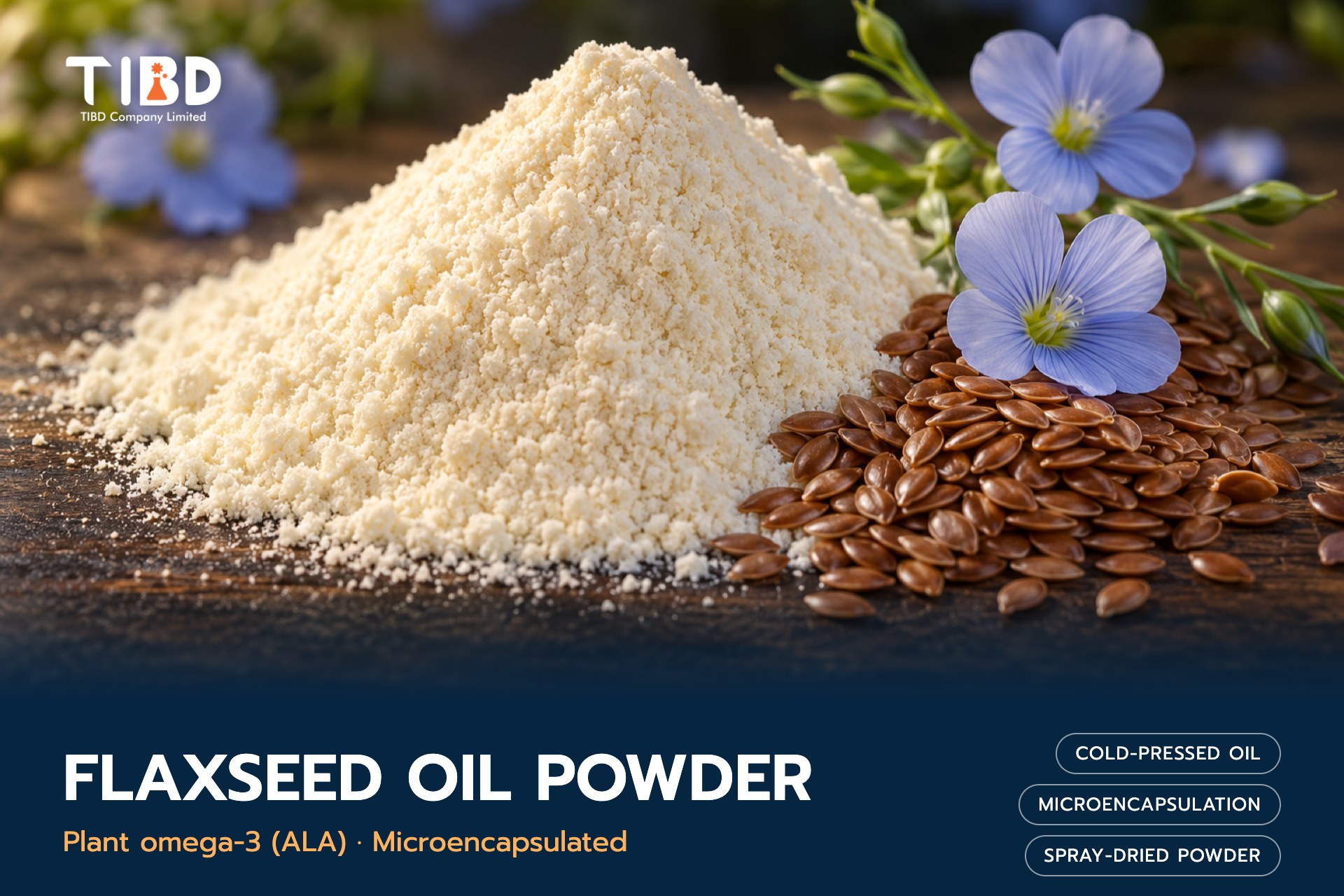
FLAXSEED OIL POWDER

Flaxseed oil innovation in powder form

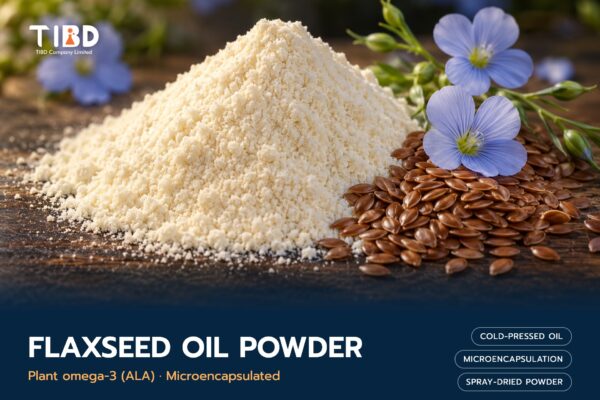
FLAXSEED OIL POWDER turns cold-pressed flaxseed oil into a free-flowing powder through microencapsulation: the oil is held as nanoscale droplets inside microcapsules made of a food-grade wall material. Flaxseed oil is a valuable plant source of omega-3 (ALA), but it oxidises easily and cannot be mixed into water-based formulas. In powder form it becomes far easier to handle and ready for industrial product development.

FLAXSEED OIL POWDER is an example of adapting a natural raw material so it works in modern products.

Read more: Flaxseed Oil Capsules: Plant-Based Omega-3, Flaxseed Oil vs Fish Oil, and How to Keep It Stable — how ALA differs from EPA/DHA and how to control oxidation in flaxseed oil.

From Oil to an Easy-to-Use Powder

Flaxseed oil is nutritionally valuable, but in product development the liquid oil is hard to work with: it does not mix into water-based formulas, it is difficult to dose accurately, and it is sensitive to air, light and heat.

A powder format addresses these problems by making the oil

  • easy to weigh and blend
  • dispersible in water
  • usable across a wide range of formulas

This makes the ingredient practical for real products, especially beverages and food supplements.

Flaxseed Oil Powder: flaxseed oil innovation in powder form

FLAXSEED OIL POWDER CERTIFIED MARK

Deeptech IP Tech
Nano IP Tech
Cold Processed IP Tech

What Is Flaxseed Oil Powder?

Flaxseed oil powder is cold-pressed flaxseed oil that has been wrapped in a food-grade carrier and dried into a free-flowing powder. Each particle holds many tiny oil droplets locked inside a solid matrix, so the oil behaves like a dry ingredient: it can be weighed, blended, filled into sachets or capsules and dispersed in water. The technique is called microencapsulation, and the most common industrial route is spray drying. Freeze drying is the low-temperature alternative, and TIBD produces oil powders by both methods.

Flax (Linum usitatissimum L., family Linaceae) is the same plant that gives linen fibre. Flaxseed, linseed and flax seed all refer to the same seed. Its value for nutrition comes from three parts: an oil rich in alpha-linolenic acid (ALA), dietary fibre, and lignans. Flaxseed oil powder concentrates the first of these into a format that formulators can actually use.

Flaxseed Powder vs Flaxseed Oil Powder: What Is the Difference?

The two names sound alike but describe different ingredients. Flaxseed powder (also sold as flax powder, ground flaxseed or flax meal) is the whole seed milled into flour. It carries fibre, protein, mucilage, lignans and oil together, which suits bakery, cereals and home use, but the oil inside is exposed once the seed is ground and the ALA content per gram varies with the seed.

Flaxseed oil powder starts by pressing the oil out of the seed, then encapsulating only the oil. The result has a defined oil load and ALA content per gram, disperses in water instead of clumping, and stays protected behind a carrier wall. It is not a fibre source, because the fibre and most lignans stay in the press cake. Brands choosing between the two should start from the claim they want to make: fibre and lignans point to flaxseed powder, a measurable dose of plant omega-3 points to flaxseed oil powder.

What Does Flaxseed Oil Contain?

ALA is the dominant fatty acid in cold-pressed flaxseed oil. It is a short-chain omega-3 with 18 carbons and three double bonds, and the body cannot make it, so it must come from food. This is why flaxseed oil is one of the most concentrated plant sources of omega-3. The oil also contains linoleic acid (omega-6), oleic acid (omega-9) and small amounts of natural antioxidants such as tocopherols. The table shows where each component sits in the seed and whether it ends up in an oil powder.

Component Class Where it sits in the seed In the oil powder?
Alpha-linolenic acid (ALA) Short-chain omega-3 (C18:3) Oil Yes (main component)
Linoleic acid (LA) Omega-6 fatty acid Oil Yes
Oleic acid Omega-9 fatty acid Oil Yes
Tocopherols and polyphenols Natural antioxidants Low in oil, higher in press cake Low (can be added)
Lignans (SDG) Polyphenols Hull and seed body Almost none
Fibre and mucilage Carbohydrates Hull and seed body No
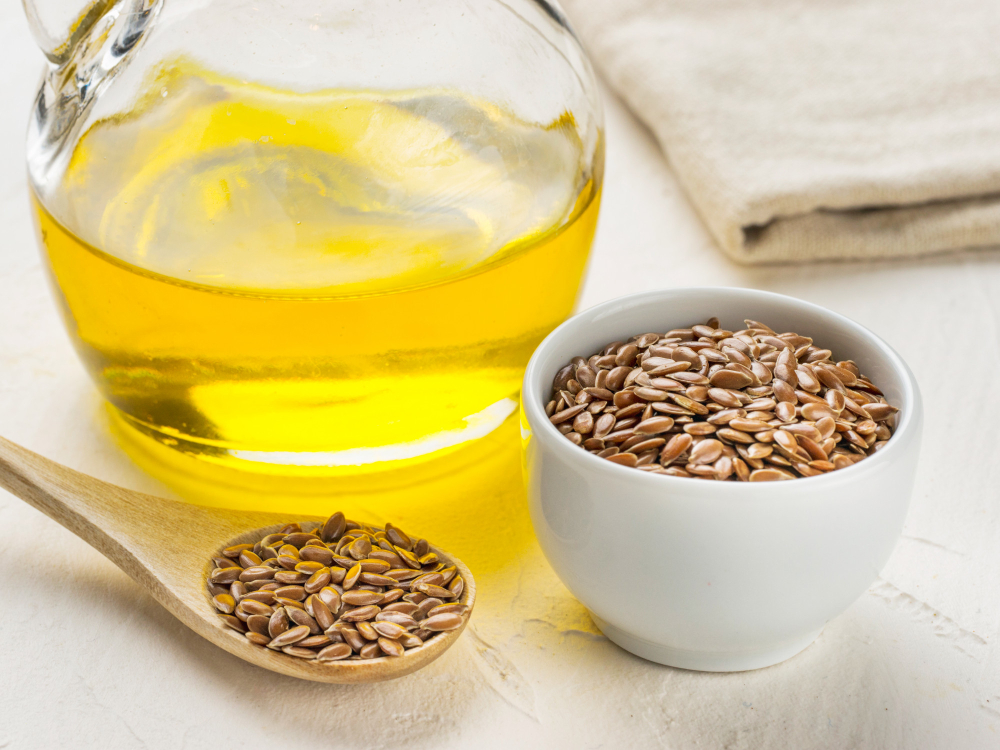
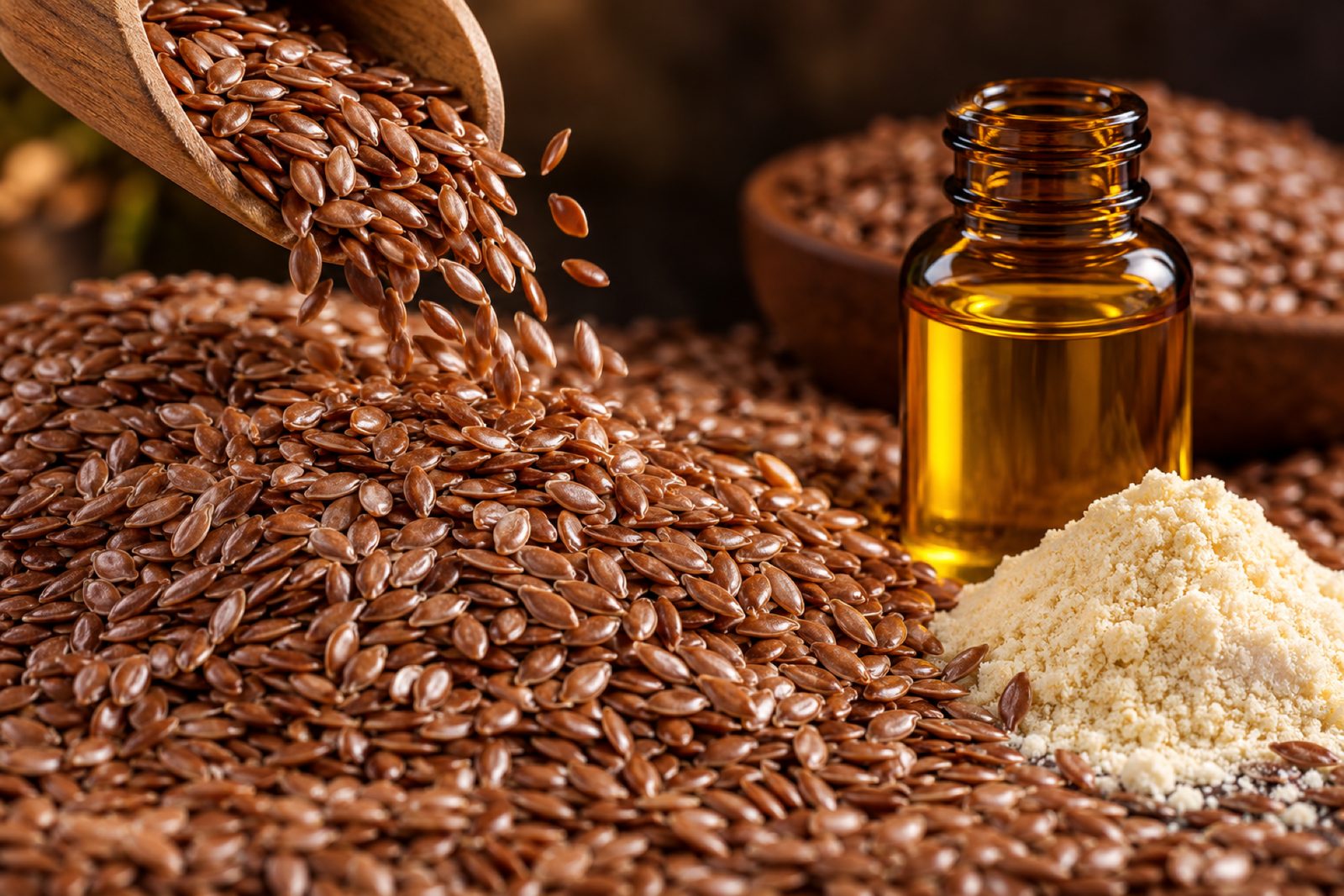
Flax seeds, flaxseed oil in an amber bottle and flaxseed oil powder

Why Turn Flaxseed Oil into a Powder?

Flaxseed oil has two practical weaknesses. The first is oxidation. The three double bonds that make ALA valuable also make it react quickly with oxygen, light and heat. Oxidation first forms peroxides, then breaks down into aldehydes that taste rancid and bitter, and the ALA declared on the label falls with it.

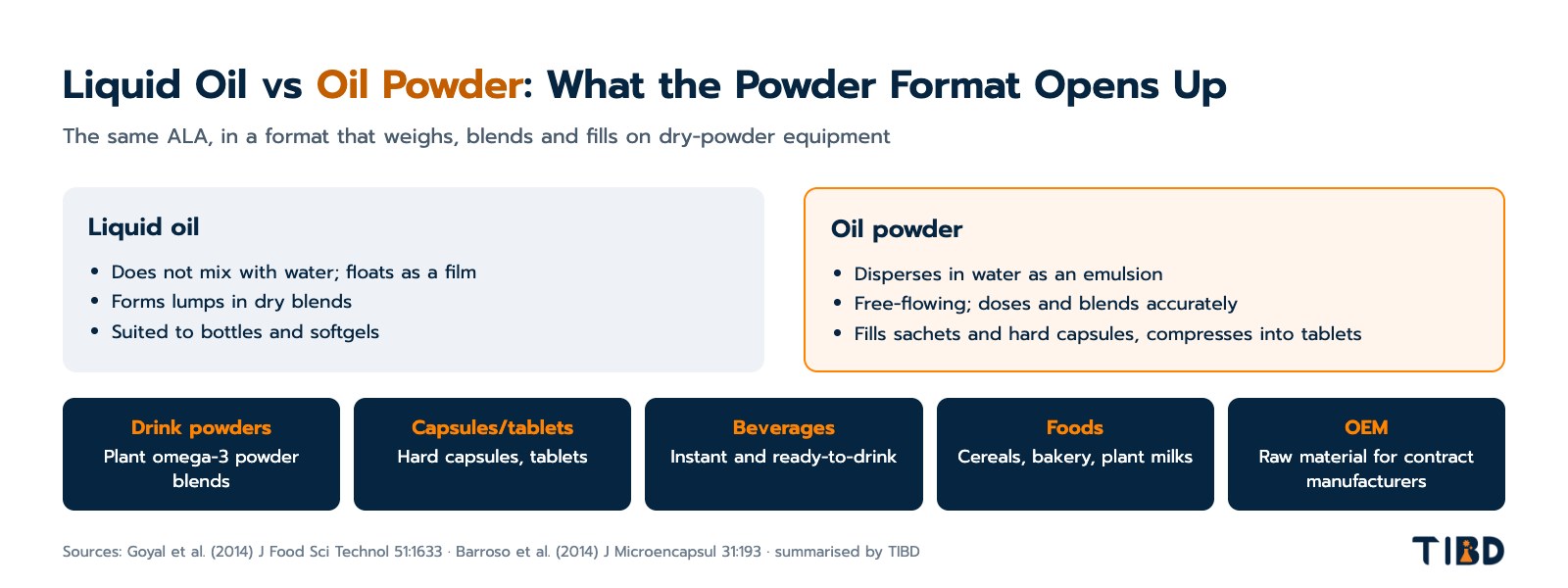
The second is that oil and water do not mix. Liquid oil floats as a film on beverages, forms lumps in dry blends, doses poorly on powder lines and fouls equipment. A powdered oil solves both problems at once: the carrier wall slows contact with air, and the oil now flows and doses like any other powder on standard filling and blending machines.

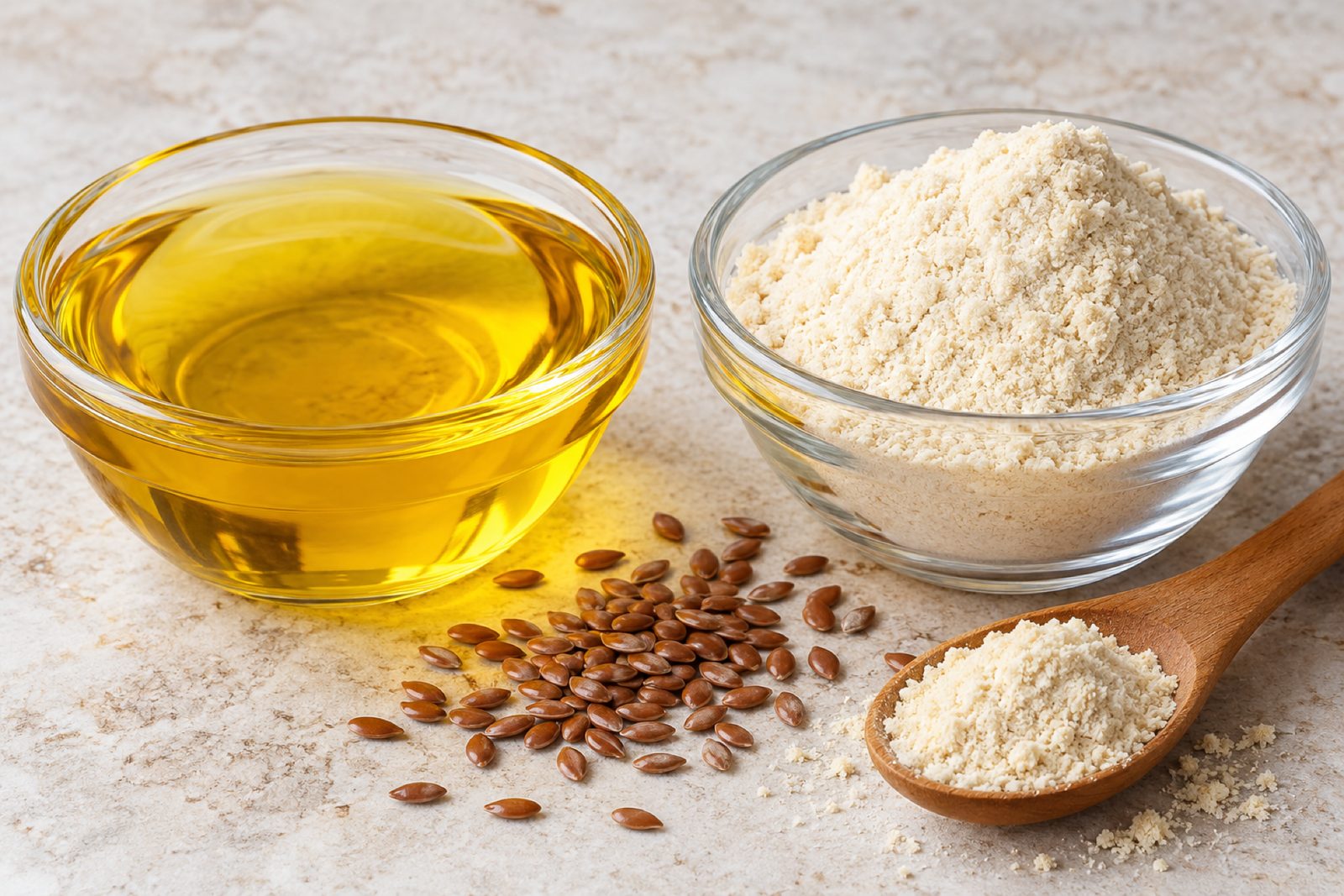
Flaxseed oil in a glass bowl next to flaxseed oil powder, with flax seeds and a wooden spoon

How Microencapsulation Works: From Cold-Pressed Oil to Powder

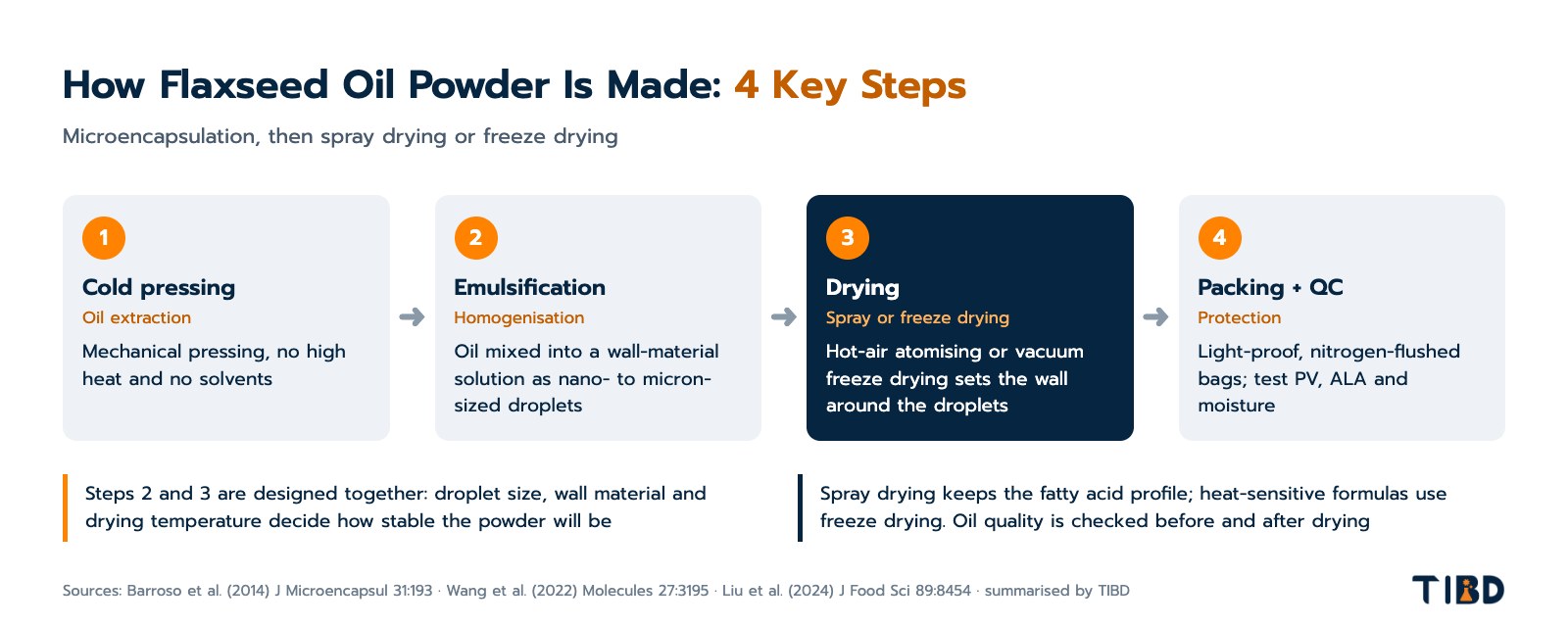
Flaxseed oil powder is made in four main steps. Cold pressing extracts the oil mechanically without high heat or solvents. Emulsification disperses the oil into a water solution of the wall material with high-shear mixing or high-pressure homogenisation, breaking it into droplets from the nanometre to the micrometre range. Smaller, uniform droplets give a more stable emulsion and better encapsulation.

Drying can follow one of two routes. Spray drying atomises the emulsion into hot air. Water evaporates in seconds and the wall material sets into a solid shell around many droplets at once, forming microcapsules a few micrometres across. Freeze drying freezes the emulsion and removes the water by sublimation under vacuum at low temperature, after which the dried cake is milled into powder. Packing and QC follow: the powder is screened, tested and packed in light-proof, low-oxygen bags, often nitrogen-flushed or vacuum-sealed.

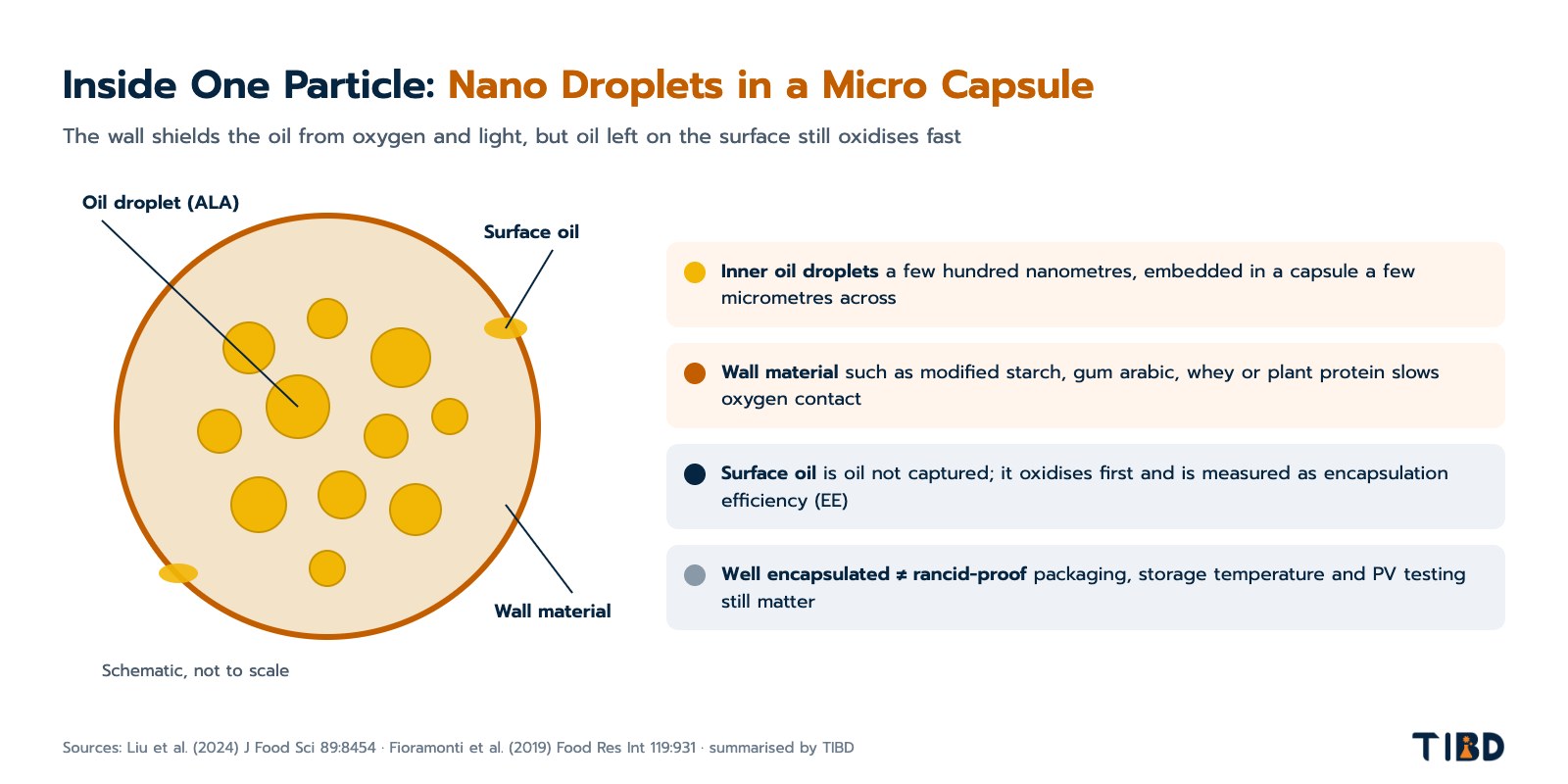
A 2024 study by Liu and colleagues shows the structure clearly. Gluten-coated flaxseed oil droplets of roughly 320–400 nm were spray dried into microcapsules of 4–26 µm, each holding many droplets. In oil powders, “nano” and “micro” are two levels of the same structure: nanoscale droplets inside a microscale capsule.

Diagram of how flaxseed oil powder is made in 4 steps: cold pressing, emulsification, spray drying or freeze drying, packing and QC

Spray Drying vs Freeze Drying: Does Spray Drying Change the Oil?

Brands often ask whether the heat of a spray dryer changes flaxseed oil. The research answer is that the oil’s composition barely changes. The inlet air is hot, but a wet droplet stays much cooler than the air because evaporating water carries the heat away, and the oil spends only seconds in the dryer. Barroso et al. (2014) spray dried cold-pressed flaxseed oil with modified starch and found that the fatty acid composition, including ALA, was not significantly affected.

What can change is the degree of oxidation, especially for oil left on the particle surface. Wang et al. (2022) found that spray-dried capsules oxidised more than freeze-dried capsules made from the same formula. The levers are inlet and outlet air temperature, wall material, droplet size, added antioxidants, and testing peroxide and p-anisidine values before and after drying.

Because TIBD produces oil powders by both methods, the route can be chosen to fit the product. Spray drying is the cost-effective choice for free-flowing powder at volume, for drink powders, capsules and foods. Freeze drying suits heat-sensitive formulas and premium products where heat exposure should be kept to a minimum. The table compares the two.

Spray drying Freeze drying
Principle Emulsion atomised into hot air; water evaporates in seconds Emulsion frozen, then water sublimed off under vacuum
Heat on the oil Some heat, but only for seconds Low temperature throughout
Fatty acid profile Essentially unchanged (Barroso 2014) Essentially unchanged
Oxidation risk Higher; drying temperature and surface oil must be controlled Lower in a head-to-head study (Wang 2022)
Powder form Small spherical particles, free-flowing Porous flakes or cake that must be milled
Production and cost Continuous, suits volume, lower cost per kg Batch, slower, higher cost
Best for Drink powders, capsules, tablets, foods Heat-sensitive formulas, premium products

Which Wall Materials Work for Flaxseed Oil? What the Research Shows

The wall material decides most of the powder’s performance: encapsulation efficiency, oxidative stability, solubility, and the label of the finished product. Milk proteins add an allergen declaration, while a vegan positioning calls for plant proteins or carbohydrates only. Peer-reviewed studies on flaxseed oil microencapsulation cover several options:

Wall material Key finding Fits Study
Modified starch More oxidatively stable than crude oil; fatty acids unchanged; accepted in a powdered supplement General drink powders, vegan Barroso 2014
Gum arabic / maltodextrin Gum arabic gave higher encapsulation efficiency and stability; flaxseed oil more stable than fish oil in the same system Beverages, drink powders Akram 2021
Whey protein + alginate (double layer) Encapsulation efficiency up to 84%; peroxide value stable over 6 months chilled Dairy products (milk allergen) Fioramonti 2019
Chitosan + maltodextrin Encapsulation efficiency up to about 89%; lower PV and AV than bulk oil over 30 days Dairy-free formats Kanwal 2021
Lentil protein + carrageenan Emulsions 100% stable at 48 h; freeze-dried capsules more stable than spray-dried Plant-based, vegan Wang 2022
Wheat gluten (coacervation) Encapsulation efficiency 90–94% at 60–80% oil load; better oxidation resistance over 30 days High-load plant powders (contains gluten) Liu 2024
Wood hemicelluloses Higher encapsulation efficiency than gum arabic at the same ratio; protected oil during drying Sustainable alternative carriers Ho 2023
Carob protein hydrolysate (multilayer) Encapsulation efficiency up by as much as 12%; better stability in processing and storage Vegan products França 2024

A systematic review and meta-analysis of omega-3 oil encapsulation (Khoshnoudi-Nia et al., 2022) found spray drying to be the most widely used method, and combinations of protein and carbohydrate to give the best overall encapsulation efficiency. The flaxseed studies above follow the same pattern.

Is Flaxseed Oil Powder More Stable Than the Oil?

In most studies, yes. Barroso et al. (2014) encapsulated cold-pressed flaxseed oil in modified starch: the fatty acid profile did not change significantly, the powder was more stable to oxidation than the crude oil, and vacuum storage prevented oxidation of the microcapsules. Fioramonti et al. (2019) used a whey protein–alginate double layer and kept peroxide values fairly constant for six months at -18 °C and 4 °C, and for six weeks at 20 °C, within the limit for cold-pressed oils.

It is not automatic, though. Wang et al. (2022) found that spray-dried flaxseed oil capsules oxidised more than the untreated oil because of drying heat, while freeze-dried capsules were more stable. Emulsion design, drying temperature and wall material have to be developed together, and “powder” should never be read as “rancid-proof”.

One promising route uses the flax seed’s own antioxidants. Drozłowska et al. (2021) added flaxseed oil cake extract, a by-product of oil pressing, to spray-dried powders and improved the oxidative stability of the oil, especially at higher oil loads. It also gives brands a credible zero-waste story.

Diagram of a flaxseed oil microcapsule: nanoscale oil droplets inside a wall-material matrix, with surface oil

Quality Specifications: What to Ask for in a Certificate of Analysis

An oil powder needs more checks than an oil, because both the oil inside and the powder outside must be controlled. Ask suppliers for a Certificate of Analysis (CoA) that covers the items below, with the test method and laboratory named. Acceptance limits should be agreed for the finished product category.

For the oil itself, the Codex Standard for Named Vegetable Oils (CXS 210-1999) sets a peroxide value of up to 15 milliequivalents of active oxygen per kg for cold-pressed oils. For the powder, moisture and water activity should sit in a range that prevents caking and does not speed up oxidation.

Parameter What it tells you Why it matters
Total oil (oil load) Percentage of oil in the powder Sets the dosage in the formula
Encapsulation efficiency / surface oil Share of oil inside vs on the particle surface Surface oil oxidises first and causes caking
Fatty acid profile (GC-FAME) ALA per gram of powder Backs the nutrition label
Peroxide value (PV) Primary oxidation Incoming QC and storage monitoring
p-Anisidine value (p-AV) Secondary oxidation (aldehydes) Reveals past oxidation that PV misses
Moisture and water activity (aw) Residual water in the powder Controls caking and stability
Particle size and dispersibility Fineness and behaviour in water Decides beverage vs tablet use
Microbiology and heavy metals Raw material safety Required for food ingredients and registration

Applications: Omega-3 Powder for Supplements, Beverages and Foods

Goyal et al. (2014) reviewed the use of flaxseed and flaxseed oil in baked goods, juices, milk and dairy products, muffins and dry pasta. A powder format makes these applications far easier, because it blends straight into dry ingredients. Barroso et al. (2014) added microencapsulated flaxseed oil to a powdered supplement and recorded mid-range or higher sensory acceptance scores across all attributes.

Typical uses for a plant-based omega-3 powder include:

  • Drink powders and sachets, such as plant protein shakes, plant-based omega-3 powder blends and vegan nutrition sachets
  • Hard capsules and tablets, because a free-flowing powder can be capsule-filled or compressed with other ingredients, unlike oil that needs a softgel
  • Functional beverages, both instant and ready-to-drink, after testing dispersion, flavour and stability in the real formula
  • Foods and bakery, including cereals, granola, bread, cookies and plant-based milk alternatives
  • OEM raw material for contract manufacturers that need a plant omega-3 ingredient they can dose on existing powder lines
Diagram comparing liquid flaxseed oil with flaxseed oil powder and its uses in drink powders, capsules, beverages, foods and OEM
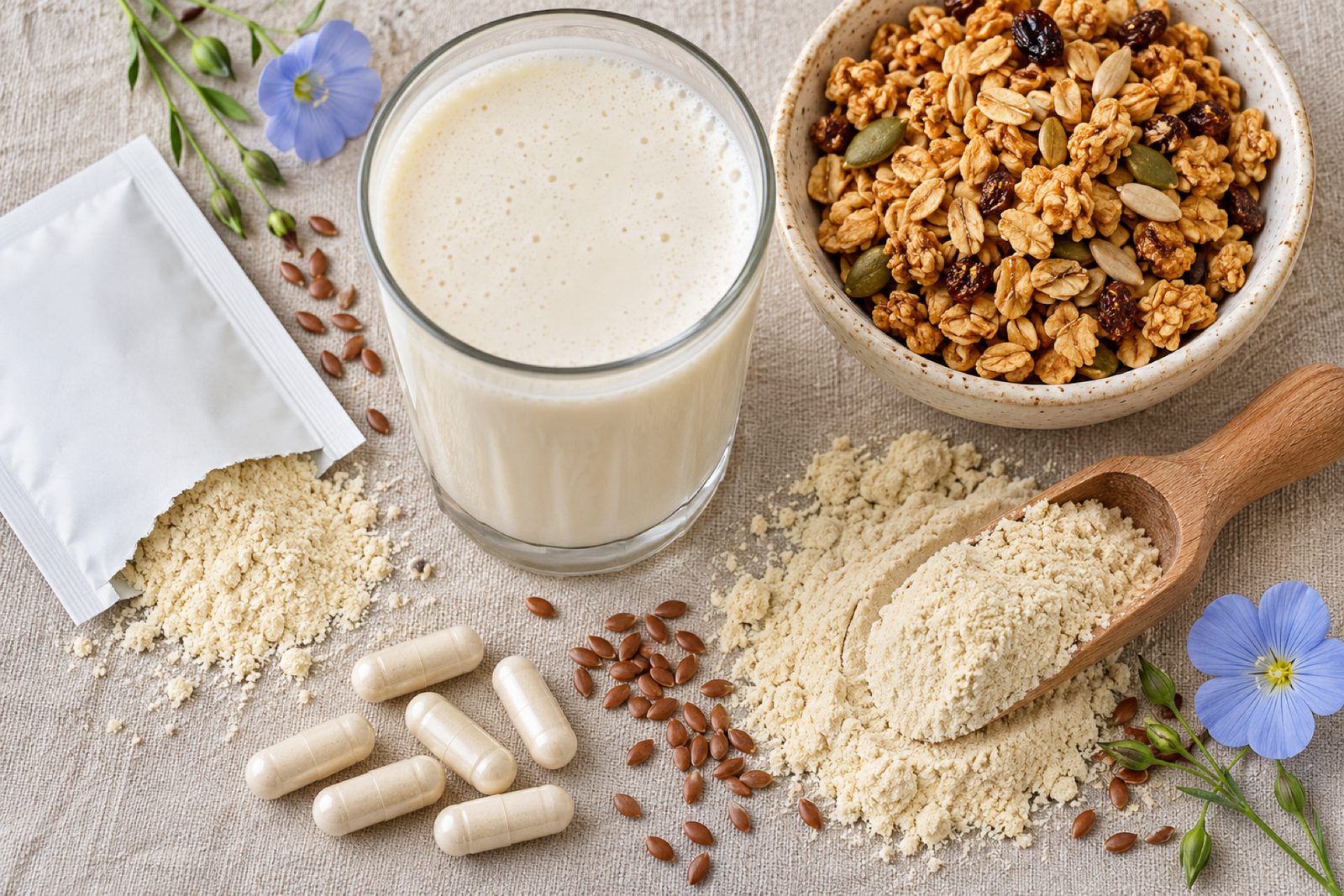
Flaxseed oil powder applications: plant-based drink, powder sachet, capsules and granola

Limitations Brands Should Know

ALA is not EPA or DHA. The body converts ALA to longer-chain omega-3s only to a limited extent, and conversion to DHA is very low in most people (Burdge & Calder, 2005; Baker et al., 2016). Position flaxseed oil powder as a plant source of omega-3, not as a like-for-like replacement for fish oil. The comparison is covered in more depth in our article on flaxseed oil vs fish oil.

Claims are regulated. Food supplements in Thailand cannot claim to treat, relieve or prevent disease, and any health claim must follow Ministry of Public Health notifications and be approved by the Thai FDA. Start from verifiable composition facts, such as measured ALA per serving.

Wall materials can be allergens (milk protein, soy protein, wheat gluten) and must be declared. On consumer safety, NCCIH notes that flaxseed and flaxseed oil supplements appear safe for short-term use but may interact with anticoagulant or antiplatelet medicines, and data in pregnancy and breastfeeding are limited.

Shelf life must be proven. Run a stability study in the final packaging, tracking peroxide value, p-anisidine value and ALA content across the shelf life you intend to declare.

How TIBD Helps Brands Develop Flaxseed Oil Powder Products

TIBD works as a technology transfer partner, turning research into products that can be sold. With flaxseed oil powder, sourcing is only the start: brands also need to know which powder suits the finished product, how the formula must change, how long it will keep, and what the registration dossier requires.

We produce oil powders by both spray drying and freeze drying, and our team supports raw material specifications and CoA requirements, prototype formulation for drink powders, beverages and capsules, stability study planning, Thai FDA documentation and the handover to commercial manufacturing. For brands that prefer the oil in softgel form, see our guide to flaxseed oil capsules.

Frequently Asked Questions about Flaxseed Oil Powder

Is flaxseed oil powder the same as ground flaxseed?

No. Ground flaxseed (flaxseed powder) is the whole seed milled, with fibre, protein, lignans and oil. Flaxseed oil powder is the pressed oil encapsulated into a powder. It is mainly a source of ALA, doses more precisely and disperses better in water, but contains almost no fibre.

Does flaxseed oil powder dissolve in water?

Powders made with water-soluble carriers such as gum arabic or maltodextrin disperse in water as a cloudy emulsion rather than dissolving clear like sugar. How well they disperse depends on the wall material and particle size, so test it in your actual formula.

Does encapsulation stop flaxseed oil going rancid?

No. Encapsulation slows oxidation in many studies but does not stop it, and drying heat can add oxidation. The powder still needs light-proof, low-oxygen packaging and stability data to support its shelf life.

Is flaxseed oil powder vegan?

It can be, when the carrier is plant-based or carbohydrate-only, such as modified starch, gum arabic or plant protein. Some grades use whey protein or caseinate, so always check the ingredient list of the raw material.

Is spray-dried or freeze-dried flaxseed oil powder better?

Neither wins in every case. Spray drying gives a free-flowing powder at lower cost and suits volume production. Freeze drying runs at low temperature, which lowers the risk of heat-driven oxidation, but it is slower and costs more. TIBD produces both, so the choice follows the finished product, how heat-sensitive the formula is, and the brand’s budget.

What approvals are needed to sell a product containing flaxseed oil powder in Thailand?

It depends on the finished product. A food supplement must be made in a licensed facility and registered with the Thai FDA under the Ministry of Public Health notification on food supplements, and label text and health claims must follow the related notifications.


Start Developing Flaxseed Oil Powder Products with TIBD

Talk to us on LINE @tibdglobal or contact the TIBD team. We will help you choose the right powder grade, formula and production plan for your product.

References

  1. Goyal A, Sharma V, Upadhyay N, Gill S, Sihag M. (2014). Flax and flaxseed oil: an ancient medicine & modern functional food. Journal of Food Science and Technology, 51(9), 1633–1653. doi:10.1007/s13197-013-1247-9
  2. Barroso AKM, Pierucci APTR, Freitas SP, Torres AG, Rocha-Leão MHM. (2014). Oxidative stability and sensory evaluation of microencapsulated flaxseed oil. Journal of Microencapsulation, 31(2), 193–201. doi:10.3109/02652048.2013.824514
  3. Fioramonti SA, Stepanic EM, Tibaldo AM, Pavón YL, Santiago LG. (2019). Spray dried flaxseed oil powdered microcapsules obtained using milk whey proteins-alginate double layer emulsions. Food Research International, 119, 931–940. doi:10.1016/j.foodres.2018.10.079
  4. Akram S, Bao Y, Butt MS, Shukat R, Afzal A, Huang JY. (2021). Fabrication and characterization of gum arabic- and maltodextrin-based microcapsules containing polyunsaturated oils. Journal of the Science of Food and Agriculture, 101(15), 6384–6394. doi:10.1002/jsfa.11309
  5. Kanwal S, Hafeez-Ur-Rahman M, Hussain A, et al. (2021). Optimization of chitosan for microencapsulation of flaxseed oil through spray drying. Pakistan Journal of Pharmaceutical Sciences, 34(4 Suppl), 1569–1575. PMID: 34799334
  6. Drozłowska E, Bartkowiak A, Trocer P, et al. (2021). The influence of flaxseed oil cake extract on oxidative stability of microencapsulated flaxseed oil in spray-dried powders. Antioxidants, 10(2), 211. doi:10.3390/antiox10020211
  7. Wang Y, Ghosh S, Nickerson MT. (2022). Microencapsulation of flaxseed oil by lentil protein isolate-κ-carrageenan and -ι-carrageenan based wall materials through spray and freeze drying. Molecules, 27(10), 3195. doi:10.3390/molecules27103195
  8. Ho TM, Lehtonen M, Räikkönen H, Kilpeläinen PO, Mikkonen KS. (2023). Wood hemicelluloses as effective wall materials for spray-dried microencapsulation of polyunsaturated fatty acid-rich oils. Food Research International, 164, 112333. doi:10.1016/j.foodres.2022.112333
  9. Liu Y, McClements DJ, Chen X, Liang R, Zou L, Liu W. (2024). Plant-based flaxseed oil microcapsules fabricated from coacervation of gluten at oil droplet surface: microstructure, oxidation stability, and oil digestion control. Journal of Food Science, 89(12), 8454–8470. doi:10.1111/1750-3841.17475
  10. França PRL, Gontijo LT, Nascimento RF, Cunha RL, Kurozawa LE. (2024). Improvement in the oxidative stability of microencapsulated linseed oil using carob protein hydrolysates and multilayer emulsions. Food Research International, 197, 115194. doi:10.1016/j.foodres.2024.115194
  11. Khoshnoudi-Nia S, Forghani Z, Jafari SM. (2022). A systematic review and meta-analysis of fish oil encapsulation within different micro/nanocarriers. Critical Reviews in Food Science and Nutrition, 62(8), 2061–2082. doi:10.1080/10408398.2020.1848793
  12. Burdge GC, Calder PC. (2005). Conversion of alpha-linolenic acid to longer-chain polyunsaturated fatty acids in human adults. Reproduction Nutrition Development, 45(5), 581–597. doi:10.1051/rnd:2005047
  13. Baker EJ, Miles EA, Burdge GC, Yaqoob P, Calder PC. (2016). Metabolism and functional effects of plant-derived omega-3 fatty acids in humans. Progress in Lipid Research, 64, 30–56. doi:10.1016/j.plipres.2016.07.002
  14. Codex Alimentarius. Standard for Named Vegetable Oils (CXS 210-1999).
  15. National Center for Complementary and Integrative Health (NCCIH). Flaxseed and Flaxseed Oil. nccih.nih.gov
  16. Thai Ministry of Public Health Notification No. 293 (B.E. 2548) on Food Supplements · No. 447 (B.E. 2566) on Health Claims on Food Labels

Looking to develop a product that stands out and meets today’s consumer needs? The TIBD team is ready to help you design and develop the right formula.

Apply for FLAXSEED OIL POWDER

If you have any questions or would like to receive a free consultation regarding FLAXSEED OIL POWDER, or if you would like to visit us in person in Bangkok, Thailand, you are warmly welcomed and feel free to contact us via the contact form below.

  • This field is for validation purposes and should be left unchanged.