Garlic Oil Softgel: What the Research Says About Garlic, Blood Lipids and Heart Health
If you’re looking for a dietary supplement that supports cardiovascular health while helping maintain balanced blood lipids, Garlic Oil Softgel—a softgel formulation containing garlic oil—may be an interesting option. Garlic has been widely studied in humans: most studies using garlic powder and aged garlic extract found small reductions in total cholesterol and LDL (“bad cholesterol”) in people with high cholesterol, while garlic oil has more data on triglycerides and platelet function (Ried et al., 2013; Zeng et al., 2012). This article explores how Garlic Oil is used in softgel products, the key role of Allicin, how other nutrients like Omega-3 and Coenzyme Q10 can work synergistically with garlic, and the advanced technologies that help optimize the bioavailability of garlic oil in softgel form, making clear which form of garlic each research finding comes from.
Getting to Know “Garlic Oil” and Why It Shines in Softgel Form
1) Why Choose Garlic Oil in Softgel Form?
Garlic has been used across the globe for centuries. It’s rich in various organosulfur compounds such as diallyl disulfide (DADS) and diallyl trisulfide (DATS), known for their antioxidant, anti-inflammatory, and lipid-lowering properties, as summarized in reviews and meta-analyses (Verma et al., 2023; Behrouz et al., 2026). Despite its benefits, fresh or powdered garlic can have a strong odor and may irritate the stomach in some individuals.
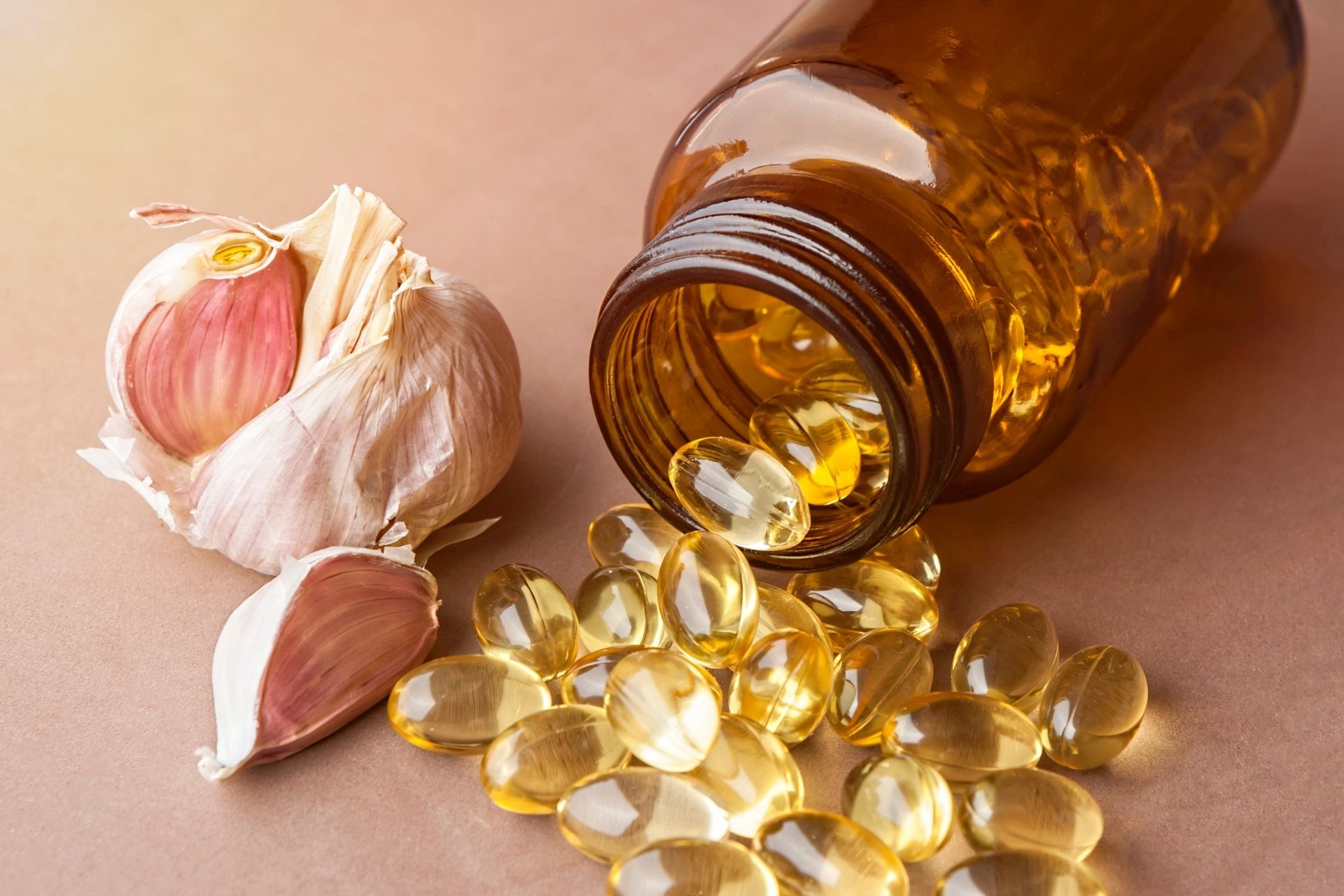
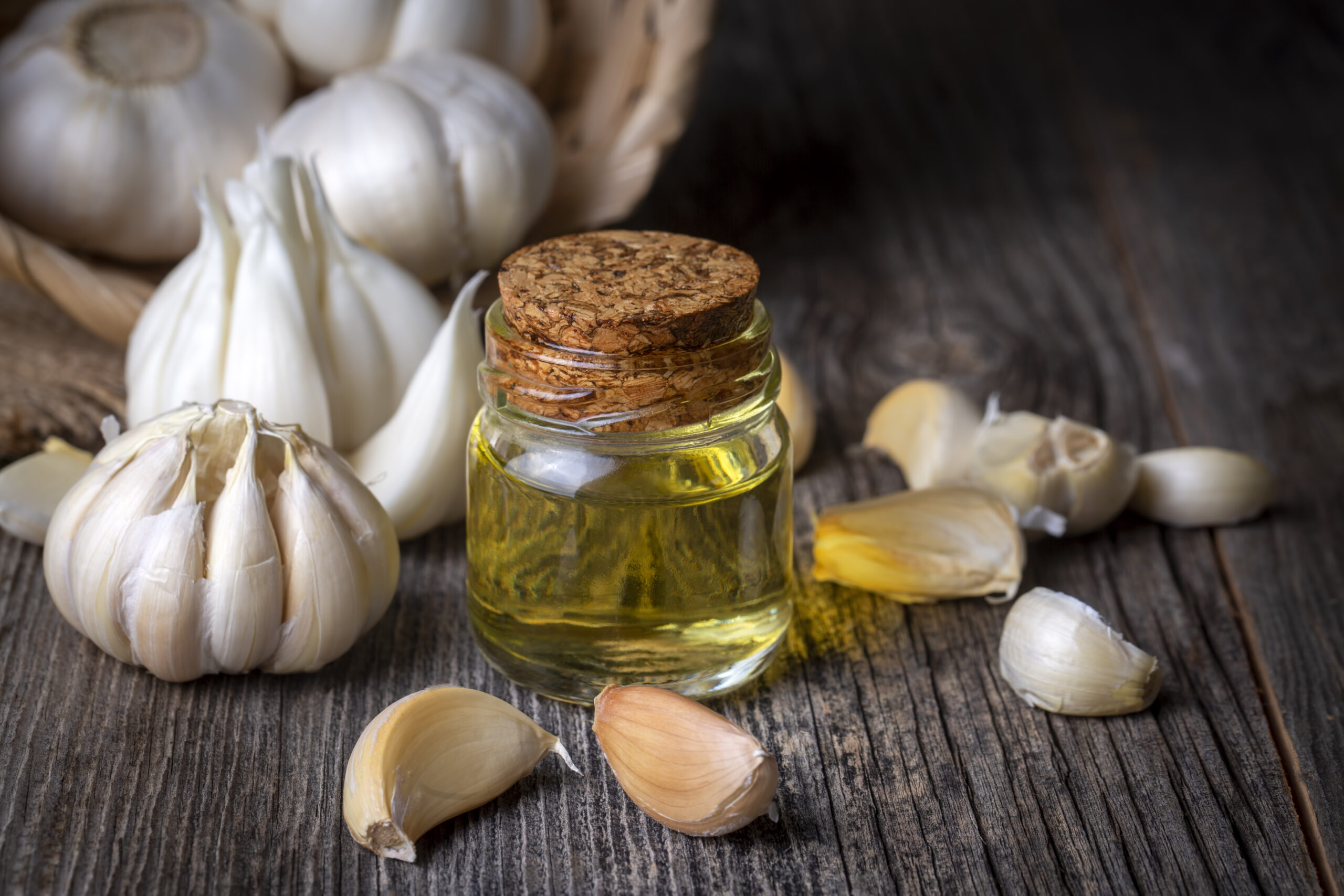
Converting garlic into Garlic Oil—often produced by steam distillation—and encapsulating it in softgels offers several advantages. First, the softgel form makes it easy to swallow and masks the pungent smell. Second, it helps dilute the highly concentrated garlic oil to more comfortable, well-tolerated levels. The oil consists mainly of DADS and DATS (Bar et al., 2022), and only a very small proportion of the fresh garlic weight becomes oil, so it is highly concentrated and strongly scented. It’s typically blended with carrier oils (e.g., rice bran oil, olive oil, or MCT oil) before being turned into softgel capsules. Note that the Thai FDA recommendation on key ingredients in dietary supplements (dated 26 January 2022) lists garlic oil obtained by pressing, at no more than 1.5 g per day.
2) What Sets Garlic Oil Apart from Garlic Powder and Aged Garlic Extract?
Garlic Oil:
Rich in fat-soluble sulfur compounds (DADS, DATS) derived from the decomposition of Allicin. Pooled research shows that garlic oil can lower triglycerides (Zeng et al., 2012), while its anti-inflammatory and blood-pressure effects come mainly from laboratory data.
Garlic Powder:
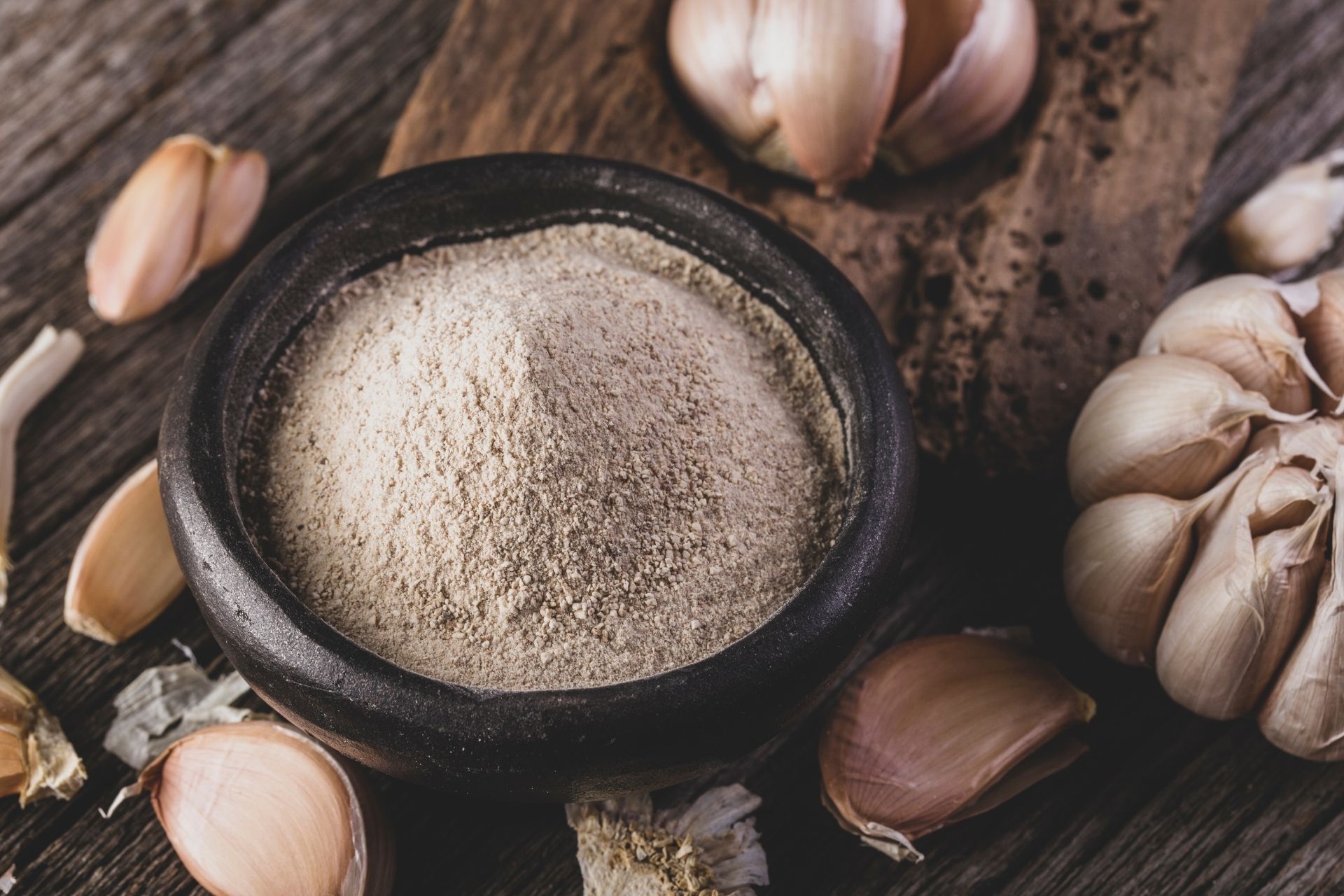
Allicin forms when alliin (a precursor) reacts with the enzyme alliinase upon contact with moisture. However, Allicin degrades rapidly at room temperature, so garlic powder can lose efficacy if stored improperly or for extended periods. Enteric-coated tablets can still release allicin (Lawson & Gardner, 2005).
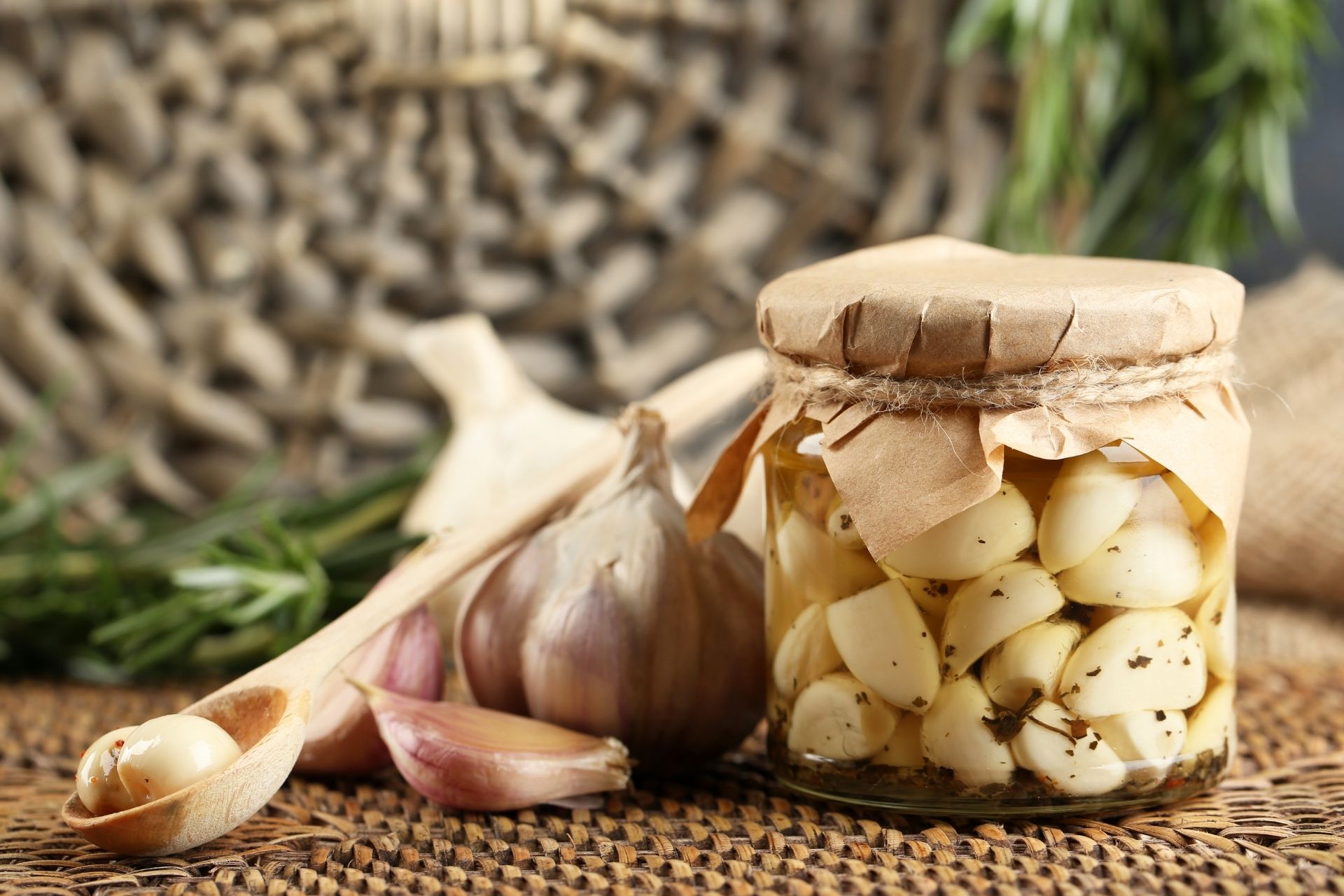
Aged Garlic Extract (AGE):
Contains S-allylcysteine (SAC), which is water-soluble and relatively stable (about 12 months at room temperature in the analysis by Lawson & Gardner, 2005). AGE is a good choice for those who prefer an odor-free garlic supplement and desire a broader antioxidant profile.
Allicin: The Star Compound in Garlic
What Is Allicin?
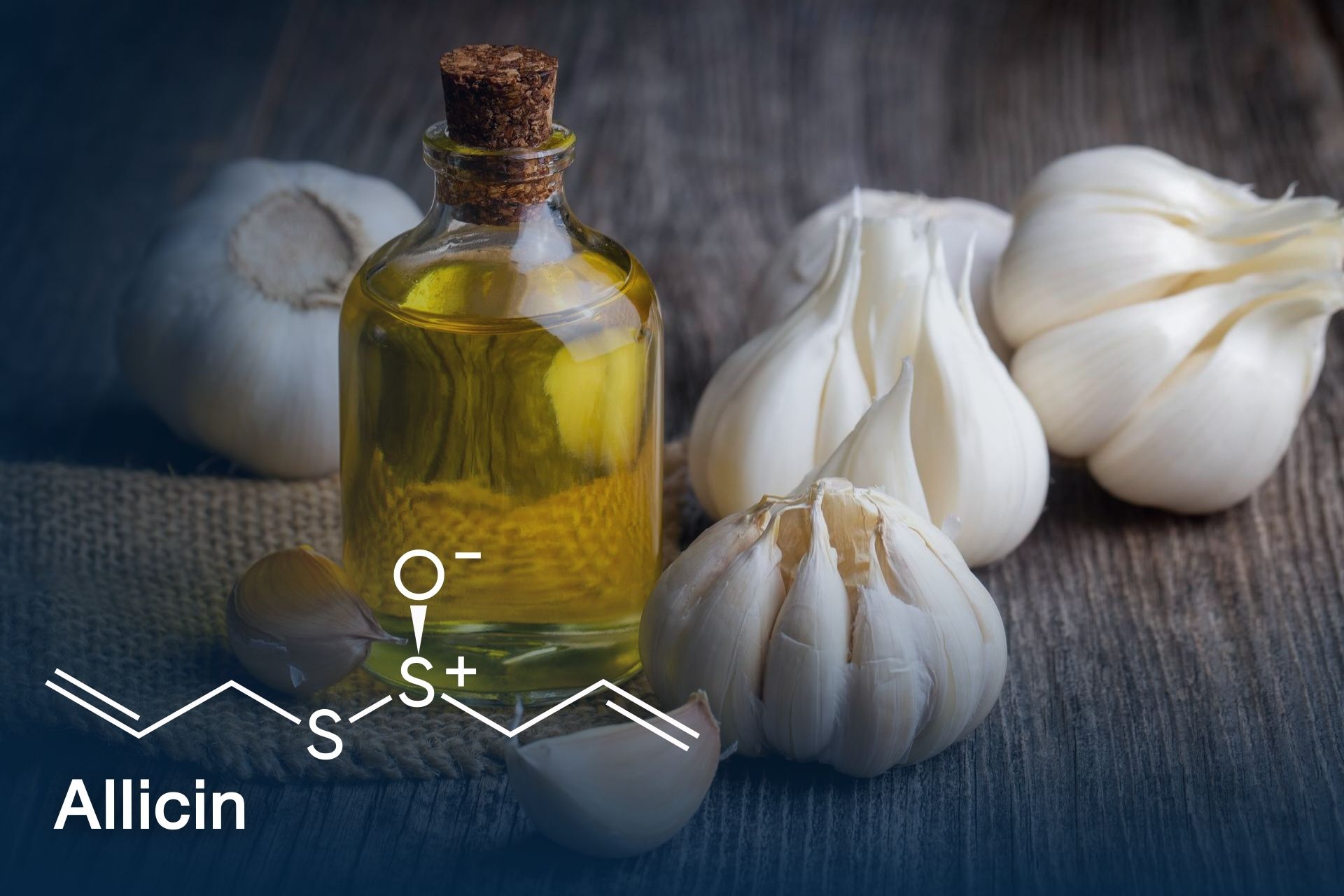
Allicin is a highly bioactive thiosulfinate created when fresh garlic cloves are crushed or chopped. It shows antimicrobial, lipid-lowering, anti-inflammatory, and antioxidant properties, mostly in laboratory studies (Deng et al., 2023). Unfortunately, Allicin is very unstable—exposure to heat, moisture, or simply the passage of time causes it to degrade into other sulfur compounds.
Does Softgel Garlic Oil Retain Allicin?
Typically, the steam-distillation process used to produce garlic oil causes Allicin to transform into more stable derivatives like DADS and DATS before reaching the final consumer. Consequently, keeping “intact Allicin” in an oil-based softgel is challenging without specialized technology (for instance, segregating alliin and alliinase so they combine only after ingestion, the same idea as enteric-coated tablets shown to release allicin; Lawson & Gardner, 2005). Most manufacturers therefore focus on sulfide derivatives (DADS, DATS), which are more stable and have their own biological activity, although their activity profile and human evidence are not the same as those of Allicin.
Health Research: Blood Lipids, Inflammation, and the Heart
1) Garlic and Blood Lipids: Results Differ by Form
Garlic has been extensively researched for its impact on blood lipids, but results differ by the form of garlic. A meta-analysis of 39 trials found that in people with total cholesterol above 200 mg/dL, taking garlic for more than 2 months lowered total cholesterol by about 8% (around 17 mg/dL) and LDL (“bad cholesterol”) by about 9 mg/dL; these results came mainly from garlic powder and aged garlic extract (Ried et al., 2013). A more recent meta-analysis of 108 trials found an average LDL reduction of about 5.9 mg/dL (Behrouz et al., 2026).
For garlic oil specifically, a meta-analysis found its main effect was on triglycerides, while garlic powder and aged garlic extract lowered total cholesterol more (Zeng et al., 2012). A randomized trial of steam-distilled garlic oil in 25 people with high cholesterol over 12 weeks found no change in total cholesterol, LDL, or cholesterol synthesis (Berthold et al., 1998), and a 16-week garlic oil trial in male runners found no significant difference from placebo (Zhang et al., 2001).
As for mechanism, studies in liver cells found that some water-soluble garlic compounds, such as S-allylcysteine, reduce the activity of HMG-CoA reductase, one of the mechanisms proposed to explain garlic’s cholesterol effects (Gebhardt, 1993; Liu & Yeh, 2002). These compounds are found mainly in aged garlic extract rather than in garlic oil.

2) Research on Inflammation
Laboratory studies (cell and animal) found that organosulfur compounds in garlic oil, such as DADS and DATS, reduce NF-κB signaling and the release of pro-inflammatory cytokines like TNF-α and IL-1β (Suman & Shukla, 2016). In humans, a meta-analysis of 17 trials found that garlic supplementation lowered CRP, an inflammatory marker, with the clearest effect for aged garlic extract, but no effect on IL-6 (Mirzavandi et al., 2020).

3) Factors Related to Heart and Blood Vessels
- Blood Lipids: As described above, garlic powder and aged garlic extract modestly lower total cholesterol and LDL, while garlic oil has more data on triglycerides.
- Antioxidant Activity: Mechanistic studies show allicin and its sulfide derivatives protect vascular endothelial cells from free radicals, and pooled human studies found improved blood markers of oxidative stress (Behrouz et al., 2026).
- Blood Pressure: Pooled studies in people with high blood pressure found that garlic products (mostly powder and aged garlic extract) lowered systolic pressure by about 8 mmHg and diastolic by about 5.5 mmHg on average (Ried, 2020); no effect was seen in people with normal blood pressure (Li et al., 2013), and a garlic oil trial in runners found no significant reduction (Zhang et al., 2001). Proposed mechanisms include nitric oxide (NO) and the conversion of garlic sulfides into hydrogen sulfide (H₂S), which relaxes blood vessels (Benavides et al., 2007, in human red blood cells and isolated blood vessels).
- Platelet Aggregation: Some human studies, including one in which participants took garlic oil and their blood was then tested outside the body, found reduced platelet aggregation (Bordia et al., 1996), but a review of 12 trials found an effect in only half, so results are not yet consistent (Mollahosseini et al., 2022). For this reason, people on anticoagulants should consult their doctor.
Blood lipids and blood pressure are major risk factors for cardiovascular disease, but current research does not yet provide enough evidence that garlic supplementation directly reduces heart disease (Stabler et al., 2012).
4) Enhancing Benefits with Omega-3 and CoQ10
- Combining with Omega-3: A randomized trial in 50 men with high cholesterol over 12 weeks (garlic supplement 900 mg/day) found that garlic combined with fish oil lowered total cholesterol, LDL, and triglycerides together, with garlic offsetting the rise in LDL seen with fish oil alone. Note that garlic alone lowered LDL more (about 14.2% vs 9.5% with the combination), and fish oil alone lowered triglycerides about as much as the combination (Adler & Holub, 1997).
- Combining with Coenzyme Q10 (CoQ10): A small randomized trial (65 people, 1 year) in people at higher cardiovascular risk found that Aged Garlic Extract (AGE) plus CoQ10 lowered the inflammatory marker CRP, and coronary artery calcification progressed more slowly than with placebo (Zeb et al., 2012).
Developing a High-Performance Garlic Oil Softgel
1) Advanced Bioavailability Technologies: Nanoemulsion, Phytosome, and SEDDS
Because garlic oil’s organosulfur compounds can be volatile or degrade quickly, manufacturers may use delivery systems that improve the dispersion and absorption of fat-soluble compounds (Kesarwani et al., 2013; Deng et al., 2023). For garlic oil, bioavailability still needs to be tested in the actual formula, which can be done during formulation development. Examples include:
- Nanoemulsion: Reduces droplet size to below 100 nm, increasing the surface area for absorption.
- Phytosome: Binds active compounds to phospholipids, effectively shielding them and improving their passage through the lipid-rich cell membrane.
- Self-Emulsifying Drug Delivery System (SEDDS): Pre-mixes oil and surfactants in a capsule so that upon entering the digestive tract, it spontaneously forms an emulsion, helping fat-soluble compounds disperse.
2) Absorption Boosters: Lecithin and Piperine
- Lecithin: Functions as an emulsifier, helping garlic oil disperse in the aqueous environment of the gut. This forms small micelles, allowing more of the active compounds to be absorbed into the bloodstream.
- Piperine (from black pepper): A bioavailability enhancer used with many plant extracts; it inhibits certain liver enzymes and drug transporters, so it may help active compounds stay in the body longer (Kesarwani et al., 2013). There are no data specifically with garlic oil yet. However, caution is advised, as piperine can also affect the metabolism of certain medications.
3) Stability Considerations for Active Compounds
- Allicin: Highly unstable, so manufacturers focus on more stable derivatives such as DADS and DATS, although their activity profile is not identical to that of Allicin.
- Protection from Light and Oxygen: Softgels should be opaque, and packaging should be airtight to minimize oxidation. Antioxidants like vitamin E may be added to further safeguard the oil.
- Temperature Control: Storage in a cool, dry place is crucial. Excessive heat or direct sunlight can degrade the oil’s active components.
4) Choosing the Right Carrier Oil
Often, garlic oil is blended with carrier oils like olive oil, rice bran oil, or MCT oil (medium-chain triglycerides). These help:
- Dilute pungent odors
- Enhance stability of sulfur compounds
- Facilitate smoother absorption in the digestive tract
MCT oil is popular because the body digests it and uses it for energy quickly. A meta-analysis of 13 trials found that replacing other fats with MCT was associated with a small reduction in body weight (about 0.5 kg on average) (Mumme & Stonehouse, 2015), but MCT still provides calories like other fats. Selecting the right carrier oil is part of formulating a stable softgel product.
Why “Garlic Oil Softgel” Is an Interesting Health Option
- Easy to Consume: The softgel format is convenient and hides garlic’s strong odor.
- Delivers Vital Benefits: Contains Allicin derivatives (DADS, DATS), which have research on triglycerides and platelet function.
- Versatile Formulation: Can be combined with other nutrients such as Omega-3 or CoQ10, which have been studied together with garlic, or with other antioxidants.
- Cutting-Edge Technology: Delivery technologies such as nanoemulsion or SEDDS help improve the dispersion and stability of the formula.
- Ideal for Heart Health: Suits people managing blood lipids and blood pressure, which are risk factors for heart disease; the garlic form should match the evidence (garlic oil for triglycerides; garlic powder and aged garlic extract for cholesterol and blood pressure).
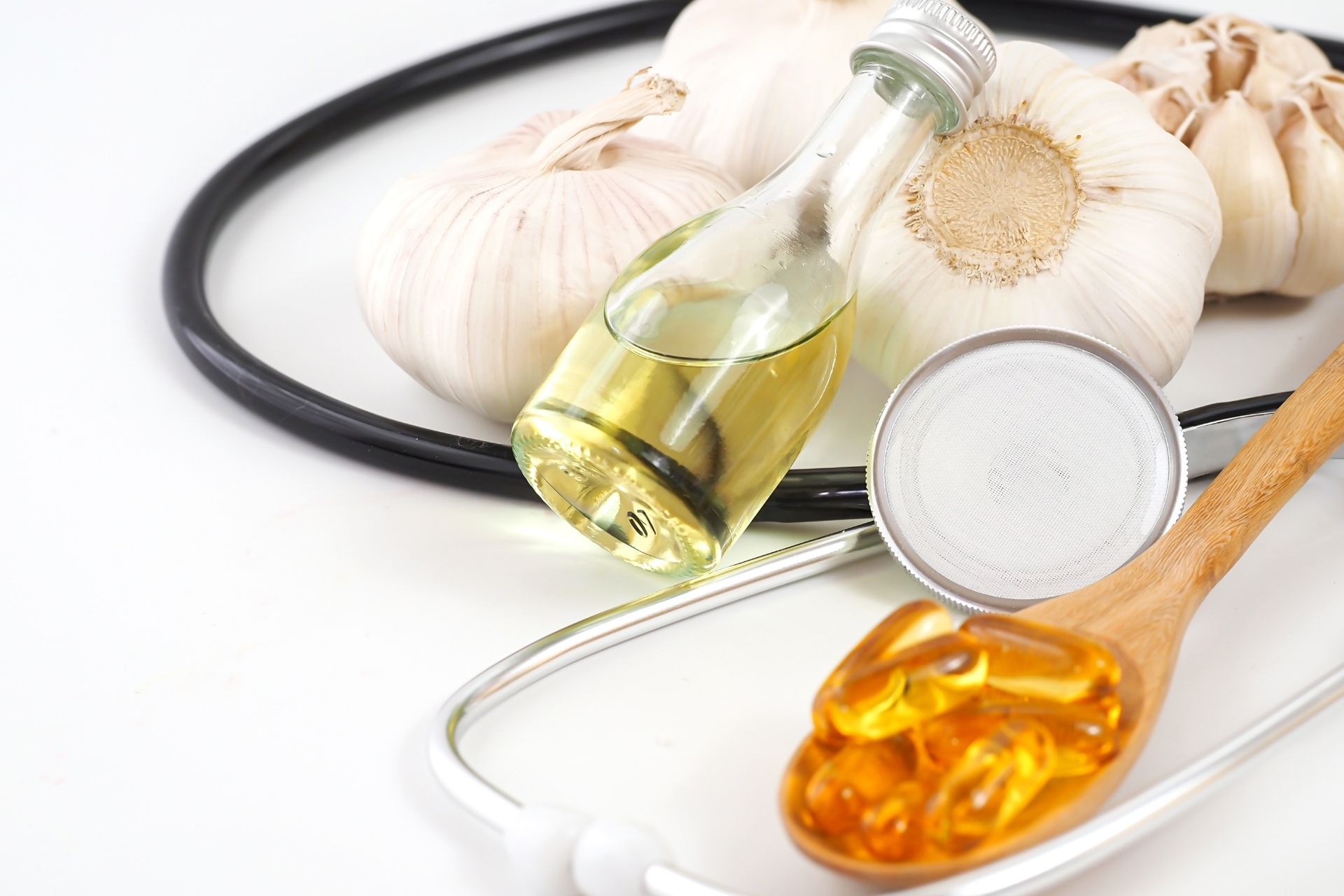
A Worthwhile Investment in Heart Health: “Garlic Oil Softgel”
Garlic Oil Softgel is an option for anyone seeking a holistic approach to wellness. Garlic oil has research on triglycerides and platelet function, while the human evidence on total cholesterol, LDL, blood pressure, and inflammatory markers is clearer for garlic powder and aged garlic extract. Combining garlic with CoQ10 or Omega-3 is an approach supported by studies of these combinations (Adler & Holub, 1997; Zeb et al., 2012).
When selecting a softgel garlic oil product, it’s crucial to choose a reputable manufacturer utilizing proper extraction and encapsulation technologies to protect the bioactive compounds. If you have a medical condition or take prescription medications, consult your healthcare provider first. Taking the proper dose, as indicated on the label or recommended by a qualified professional, ensures maximum benefit for your cardiovascular health.
If you’re interested in developing your own “Garlic Oil Softgel” product under your brand or looking to purchase garlic oil and related raw materials, feel free to reach out for more information. Click
Cautions and Limits of the Evidence
Garlic products are generally well tolerated with few side effects (Ried et al., 2013), but they may cause garlic breath or body odor and stomach irritation in some people. The following groups should consult a doctor or pharmacist before use:
- People taking anticoagulant or antiplatelet medicines, or scheduled for surgery: Garlic affects platelet function (Bordia et al., 1996; Mollahosseini et al., 2022). A study in closely monitored patients on warfarin found no increase in bleeding with aged garlic extract (Macan et al., 2006), but your doctor should always be informed.
- People taking HIV antiviral medicines: A human study found that garlic supplements lowered blood levels of saquinavir by about 51% (Piscitelli et al., 2002).
- Pregnant or breastfeeding women, and people with chronic conditions on regular medication: Consult a doctor before using any dietary supplement.
- Amount: Under the Thai FDA recommendation, garlic oil in dietary supplements should not exceed 1.5 g per day.
- Limits of the evidence: Most human studies showing effects on cholesterol and blood pressure used garlic powder or aged garlic extract. Trials using garlic oil found no effect on LDL (Berthold et al., 1998; Zhang et al., 2001), and a Cochrane review in people with high blood pressure concluded there is not enough evidence that garlic reduces cardiovascular disease or deaths (Stabler et al., 2012). Dietary supplements are not a substitute for medicines or medical treatment.
Disclaimer: This article is intended for general informational purposes only and does not serve as a medical diagnosis or prescription. Individuals with existing medical conditions or those taking medications should seek professional advice from a doctor or pharmacist before using any dietary supplements.
References :
- Ried, K., Toben, C., & Fakler, P. (2013). Effect of garlic on serum lipids: an updated meta-analysis. Nutrition Reviews, 71(5), 282–299. doi:10.1111/nure.12012
- Behrouz, V., Zahroodi, M., Clark, C. C. T., et al. (2026). Effects of garlic supplementation on cardiovascular risk factors in adults: a comprehensive updated systematic review and meta-analysis of randomized controlled trials. Nutrition Reviews, 84(1), 1–35. doi:10.1093/nutrit/nuaf090
- Zeng, T., Guo, F. F., Zhang, C. L., et al. (2012). A meta-analysis of randomized, double-blind, placebo-controlled trials for the effects of garlic on serum lipid profiles. Journal of the Science of Food and Agriculture, 92(9), 1892–1902. doi:10.1002/jsfa.5557
- Berthold, H. K., Sudhop, T., & von Bergmann, K. (1998). Effect of a garlic oil preparation on serum lipoproteins and cholesterol metabolism: a randomized controlled trial. JAMA, 279(23), 1900–1902. doi:10.1001/jama.279.23.1900
- Zhang, X. H., Lowe, D., Giles, P., et al. (2001). A randomized trial of the effects of garlic oil upon coronary heart disease risk factors in trained male runners. Blood Coagulation & Fibrinolysis, 12(1), 67–74. doi:10.1097/00001721-200101000-00010
- Ried, K. (2020). Garlic lowers blood pressure in hypertensive subjects, improves arterial stiffness and gut microbiota: a review and meta-analysis. Experimental and Therapeutic Medicine, 19(2), 1472–1478. doi:10.3892/etm.2019.8374
- Li, L., Sun, T., Tian, J., et al. (2013). Garlic in clinical practice: an evidence-based overview. Critical Reviews in Food Science and Nutrition, 53(7), 670–681. doi:10.1080/10408398.2010.537000
- Stabler, S. N., Tejani, A. M., Huynh, F., & Fowkes, C. (2012). Garlic for the prevention of cardiovascular morbidity and mortality in hypertensive patients. Cochrane Database of Systematic Reviews, 2012(8), CD007653. doi:10.1002/14651858.CD007653.pub2
- Mirzavandi, F., Mollahosseini, M., Salehi-Abargouei, A., et al. (2020). Effects of garlic supplementation on serum inflammatory markers: a systematic review and meta-analysis of randomized controlled trials. Diabetes & Metabolic Syndrome, 14(5), 1153–1161. doi:10.1016/j.dsx.2020.06.031
- Benavides, G. A., Squadrito, G. L., Mills, R. W., et al. (2007). Hydrogen sulfide mediates the vasoactivity of garlic. Proceedings of the National Academy of Sciences USA, 104(46), 17977–17982. doi:10.1073/pnas.0705710104
- Mollahosseini, M., Hosseini-Marnani, E., Panjeshahin, A., et al. (2022). A systematic review of randomized controlled trials related to the effects of garlic supplementation on platelet aggregation. Phytotherapy Research, 36(11), 4041–4050. doi:10.1002/ptr.7556
- Bordia, A., Verma, S. K., & Srivastava, K. C. (1996). Effect of garlic on platelet aggregation in humans: a study in healthy subjects and patients with coronary artery disease. Prostaglandins, Leukotrienes and Essential Fatty Acids, 55(3), 201–205. doi:10.1016/s0952-3278(96)90099-x
- Gebhardt, R. (1993). Multiple inhibitory effects of garlic extracts on cholesterol biosynthesis in hepatocytes. Lipids, 28(7), 613–619. doi:10.1007/BF02536055
- Liu, L., & Yeh, Y. Y. (2002). S-alk(en)yl cysteines of garlic inhibit cholesterol synthesis by deactivating HMG-CoA reductase in cultured rat hepatocytes. The Journal of Nutrition, 132(6), 1129–1134. doi:10.1093/jn/132.6.1129
- Suman, S., & Shukla, Y. (2016). Diallyl sulfide and its role in chronic diseases prevention. Advances in Experimental Medicine and Biology, 929, 127–144. doi:10.1007/978-3-319-41342-6_6
- Adler, A. J., & Holub, B. J. (1997). Effect of garlic and fish-oil supplementation on serum lipid and lipoprotein concentrations in hypercholesterolemic men. The American Journal of Clinical Nutrition, 65(2), 445–450. doi:10.1093/ajcn/65.2.445
- Zeb, I., Ahmadi, N., Nasir, K., et al. (2012). Aged garlic extract and coenzyme Q10 have favorable effect on inflammatory markers and coronary atherosclerosis progression: a randomized clinical trial. Journal of Cardiovascular Disease Research, 3(3), 185–190. doi:10.4103/0975-3583.98883
- Lawson, L. D., & Gardner, C. D. (2005). Composition, stability, and bioavailability of garlic products used in a clinical trial. Journal of Agricultural and Food Chemistry, 53(16), 6254–6261. doi:10.1021/jf050536+
- Verma, T., Aggarwal, A., Dey, P., et al. (2023). Medicinal and therapeutic properties of garlic, garlic essential oil, and garlic-based snack food: an updated review. Frontiers in Nutrition, 10, 1120377. doi:10.3389/fnut.2023.1120377
- Bar, M., Binduga, U. E., & Szychowski, K. A. (2022). Methods of isolation of active substances from garlic (Allium sativum L.) and its impact on the composition and biological properties of garlic extracts. Antioxidants, 11(7), 1345. doi:10.3390/antiox11071345
- Deng, Y., Ho, C. T., Lan, Y., et al. (2023). Bioavailability, health benefits, and delivery systems of allicin: a review. Journal of Agricultural and Food Chemistry, 71(49), 19207–19220. doi:10.1021/acs.jafc.3c05602
- Kesarwani, K., Gupta, R., & Mukerjee, A. (2013). Bioavailability enhancers of herbal origin: an overview. Asian Pacific Journal of Tropical Biomedicine, 3(4), 253–266. doi:10.1016/S2221-1691(13)60060-X
- Mumme, K., & Stonehouse, W. (2015). Effects of medium-chain triglycerides on weight loss and body composition: a meta-analysis of randomized controlled trials. Journal of the Academy of Nutrition and Dietetics, 115(2), 249–263. doi:10.1016/j.jand.2014.10.022
- Piscitelli, S. C., Burstein, A. H., Welden, N., et al. (2002). The effect of garlic supplements on the pharmacokinetics of saquinavir. Clinical Infectious Diseases, 34(2), 234–238. doi:10.1086/324351
- Macan, H., Uykimpang, R., Alconcel, M., et al. (2006). Aged garlic extract may be safe for patients on warfarin therapy. The Journal of Nutrition, 136(3 Suppl), 793S–795S. doi:10.1093/jn/136.3.793S
- Thai Food and Drug Administration. (2022). Notification of the Thai FDA: Recommendations on the use of key ingredients in dietary supplements, dated 26 January 2022 (B.E. 2565), Annex, No. 11 Allium sativum L. (in Thai).