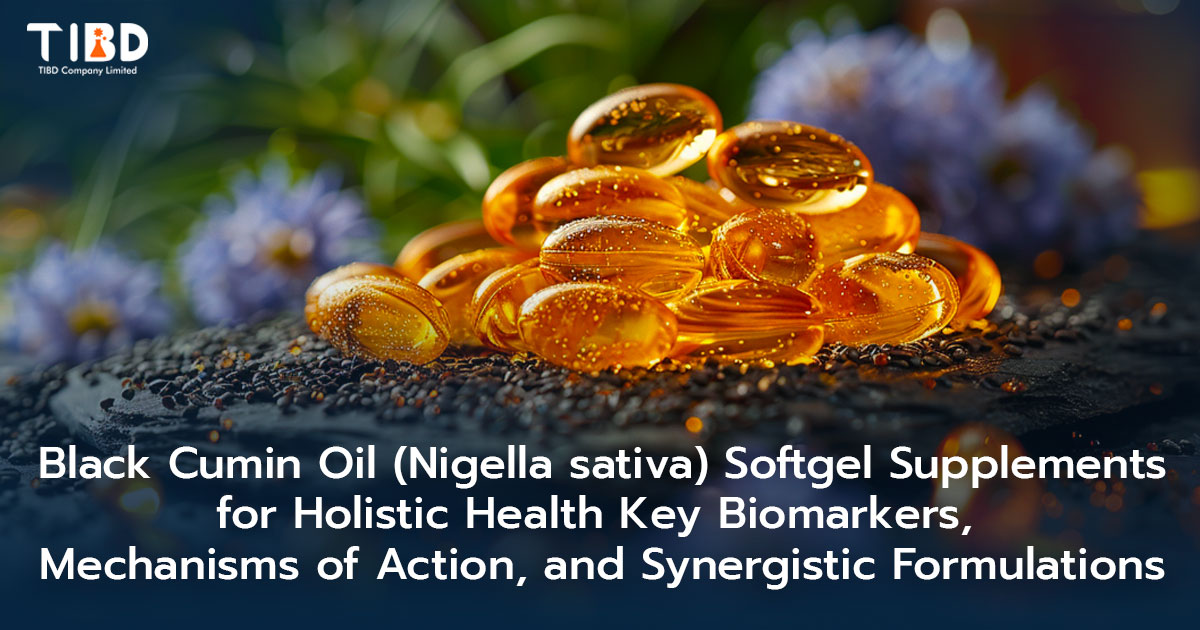
Black Cumin Oil (Nigella sativa) Softgel Supplements for Holistic Health Key Biomarkers, Mechanisms of Action, and Synergistic Formulations
Why Black Cumin Oil Softgels Are Booming in Global Health Markets
Preventive healthcare is gaining ground worldwide—from the United States and Europe to Asia. As more consumers become proactive about their health, they are seeking high-quality dietary supplements that can support the body in multiple ways. One of these rising stars is Black Cumin Oil, also known as Black Seed Oil, derived from the seeds of Nigella sativa.
Traditionally used in Middle Eastern, South Asian, and African herbal practices, Black Cumin Oil is now widely available in softgel capsules—easy to take, convenient to store, and popular across various demographics. This article will introduce some of the most well-known Black Cumin Oil softgel products in the American and European markets, explore Thymoquinone (TQ) as the main biomarker for quality, clarify the oil’s key mechanisms of action, and look at common combinations with other ingredients. For each topic we state the level of evidence as the research actually shows it, with references listed at the end.
History and Cultural Context
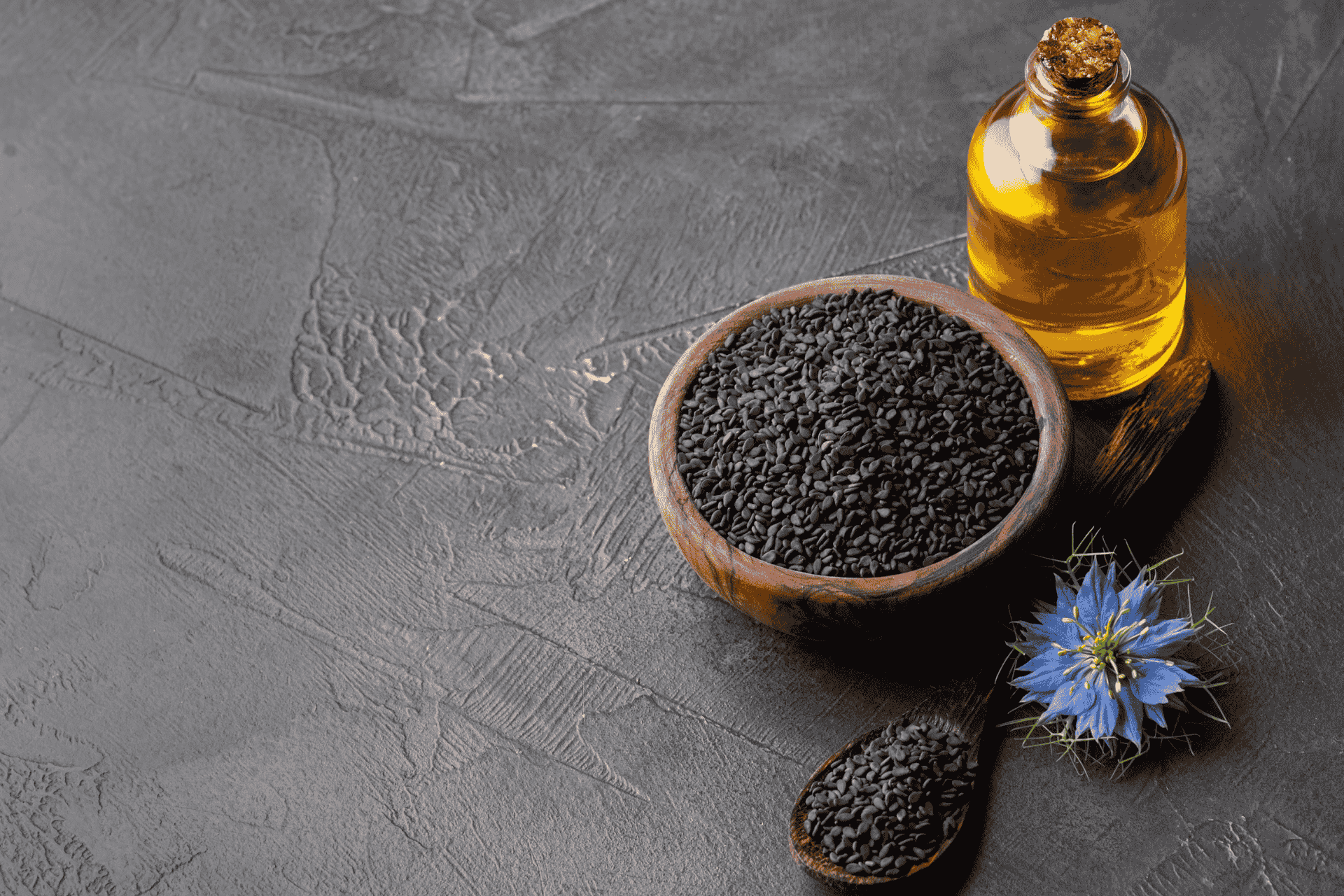
Black cumin (Nigella sativa) has a long history of traditional use in the Middle East, South Asia and Africa, both as a spice and as a folk remedy (Ahmad et al., 2013). In Islamic culture it is mentioned in a hadith (Sahih al-Bukhari 5688; older translation numbering Volume 7, Book 71, Number 592), narrated by Abu Huraira: “I heard Allah’s Apostle saying, ‘There is healing in black cumin for all diseases except death.’” This is a religious and cultural reference that reflects the place of black cumin in the life of the region. It is not scientific evidence or a health claim. Modern research is now studying the various activities of black cumin, and the sections below summarize them together with the level of evidence.
Popular Black Cumin Oil Softgel Products in the US and EU
Below are examples of leading brands offering Black Cumin Oil in softgel form. These stand out due to their ingredient quality, TQ content, and manufacturing processes.
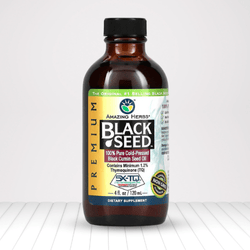
1. Amazing Herbs Premium Black Seed Oil Softgels (USA)
- Key Features: A long-established American brand. Each softgel contains 500 mg of cold-pressed Black Cumin Oil. The recommended daily serving is 2 softgels (1,000 mg total).
- Biomarker: Thymoquinone (TQ) at ~0.95–2.6% (about 10 mg per softgel, or roughly 20 mg per 2-softgel serving). TQ content may vary from batch to batch.
- Extraction Method: Cold-Pressed to preserve nutrients.
- Other Ingredients: Bovine gelatin, vegetable glycerin, and water. No added preservatives.
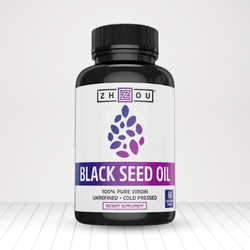
2. Zhou Nutrition Black Seed Oil Capsules (USA)
- Key Features: Each serving (2 vegan capsules) provides 1,300 mg of Black Cumin Oil, making it appealing for those wanting a higher oil content per serving.
- Other Ingredients: Candelilla wax (for texture) and rosemary extract (an antioxidant that helps preserve oil quality).
- Vegan-Friendly: Uses plant-based capsule material (no bovine gelatin).
- Biomarker: The label states that the oil naturally supplies Thymoquinone (TQ) but does not list the amount. Nigellone is not stated on the label.
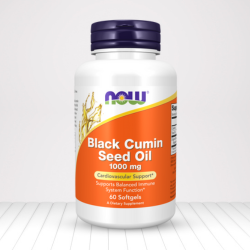
3. NOW Foods Black Cumin Seed Oil 1000 mg Softgels (USA)
- Key Features: Certified organic Black Cumin Oil at 1,000 mg per softgel, cold-pressed, hexane-free.
- Added Vitamin E: d-alpha tocopherol from sunflower oil to delay oxidation (it acts as an antioxidant within the oil).
- Positioning: The brand positions this product for people interested in supporting cardiovascular and immune health.
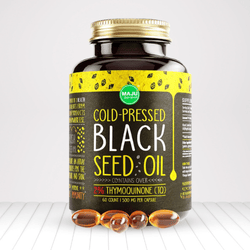
4. Maju Superfoods Black Seed Oil Capsules (USA)
- Key Features: 500 mg per capsule. The brand states a minimum of 2% Thymoquinone (TQ) (≥10 mg TQ per capsule).
- Extraction Method: Slow, gentle cold-pressing of Turkish Nigella seeds.
- Lab Tested: The brand states the oil is third-party lab tested to confirm TQ ≥2%. HPLC results are not publicly disclosed.
- Ideal For: Consumers who prefer a product with a minimum TQ level stated on the label.
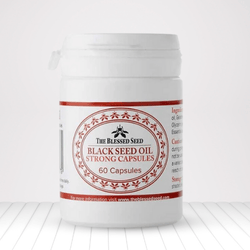
5. The Blessed Seed “Strong” Black Seed Oil Capsules (UK/EU)
- Key Features: Renowned European brand sourcing high-grade Nigella seeds. The brand states that its Strong grade oil contains 3–4% essential oil and 1.5–2.5% TQ.
- Concentration: Each 500 mg capsule therefore provides about 7.5–12.5 mg TQ, higher than many oils on the market (market surveys found maximum TQ levels of around 0.8–1.9%; Alkhatib et al., 2020; Khaikin et al., 2022).
- Multiple Strengths: Offers Mild, Original, and Strong formulations to suit different needs.
Note: Other remarkable brands include Health Thru Nutrition Black Seed Oil 500 mg (USA), verifying 2% TQ content, and Life Extension Black Cumin Seed Oil with Curcumin, which adds turmeric (curcumin) extract.
Core Biomarkers in Black Cumin Oil and Their Health Roles
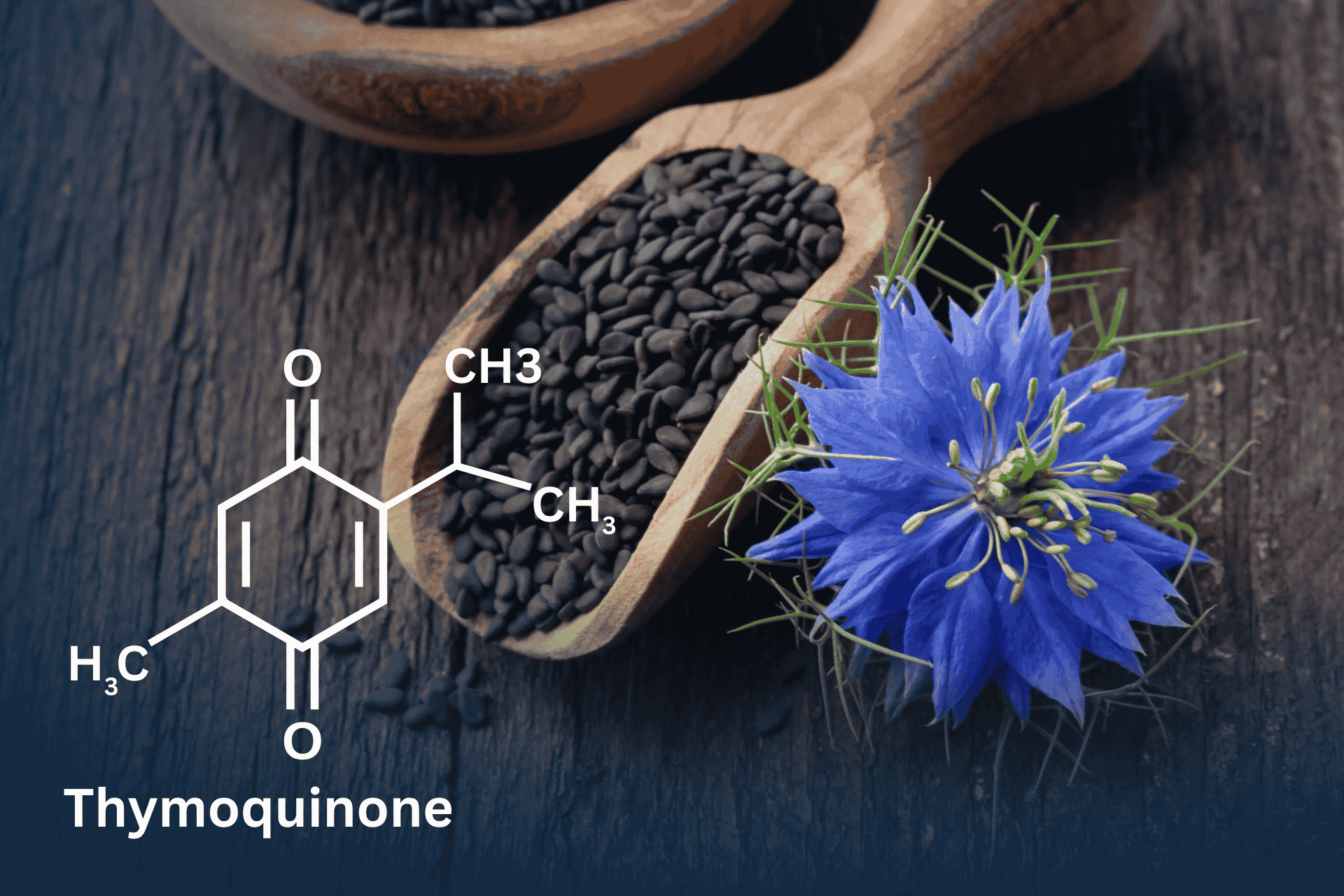
Black Cumin Oil (Nigella sativa) contains numerous active constituents. The main “quality marker” that garners the most attention is Thymoquinone (TQ). Below are the key compounds and their functions:
Thymoquinone (TQ)
- Antioxidant: A meta-analysis of more than 20 randomized controlled trials found that black cumin supplementation lowered malondialdehyde (MDA), a marker of lipid peroxidation, and raised antioxidant enzymes (SOD, GPx) in the blood (Kavyani et al., 2023a; Mohit et al., 2020). These trials used black cumin seed or oil, not isolated TQ.
- Anti-Inflammatory: Cell and animal studies show that TQ suppresses NF-κB signaling, which controls pro-inflammatory mediators (Khader & Eckl, 2014; Goyal et al., 2017). In humans, most meta-analyses report lower CRP and TNF-α, while results for IL-6 are inconsistent (Kavyani et al., 2023a; Jafari et al., 2025).
- Activity on Cancer Cells in the Lab: In cancer cell cultures and animal studies, TQ induces apoptosis (programmed cell death), often by modulating Bax/Bcl-2 ratios. It has not been studied in humans (Khader & Eckl, 2014; Goyal et al., 2017).
- Antimicrobial: In laboratory tests, black cumin extracts and TQ inhibit many bacteria, fungi and viruses, with potency depending on the organism (Forouzanfar et al., 2014; Hossain et al., 2021).
- Liver Function: In animal studies, black cumin reduces liver damage from toxins (Khader & Eckl, 2014). In humans, a small meta-analysis (5 trials, 358 people) in people with fatty liver found lower ALT and AST liver enzymes; larger trials are still needed (Tang et al., 2021).
Nigellone
- What It Is: Nigellone (dithymoquinone) forms when TQ molecules bind together (Chakravarty, 1993). Human respiratory data come from whole seed or oil: a meta-analysis of 4 trials found that black cumin added to usual medication modestly improved asthma control (He & Xu, 2020).
- Histamine: In the test tube, nigellone inhibits histamine release from mast cells (Chakravarty, 1993), and a meta-analysis in people with allergic rhinitis found improved nasal symptoms with black cumin supplementation (He et al., 2024).
Additional Volatile Compounds (Thymohydroquinone, Thymol, Carvacrol, p-Cymene)
- Aroma and Lab Activity: These compounds give black cumin oil its characteristic aroma and have shown antimicrobial activity in laboratory tests.
Unsaturated Fatty Acids (Omega-6, Omega-9) and Phytosterols
- Composition: Black cumin oil consists mainly of linoleic acid (Omega-6) and oleic acid (Omega-9).
- Phytosterols (e.g., β-sitosterol): Reduce intestinal cholesterol absorption at intakes of about 0.6–3.3 g per day (Ras et al., 2014), which is many times more than a black cumin oil softgel provides.
Alkaloids and Saponins (e.g., α-Hederin)
- Lab Findings: These compounds are found more in the water-soluble fraction than in the oil, so oil softgels contain little of them. In the test tube, α-hederin caused apoptosis in ovarian cancer cells; it has not been studied in humans (Adamska et al., 2019).
Overall, Thymoquinone (TQ) is a useful quality marker because levels vary widely between brands; market surveys found up to a 27-fold difference (Alkhatib et al., 2020; Khaikin et al., 2022). However, no human study has shown that higher TQ gives better results, and it has been suggested that adults should not exceed about 48 mg of TQ per day (Khaikin et al., 2022). Measuring and standardizing TQ is therefore central to quality manufacturing.
Mechanisms of Action: From Molecular to Whole-Body Benefits
Molecular Level
Most molecular and cellular data come from laboratory and animal studies (Khader & Eckl, 2014; Goyal et al., 2017; Hannan et al., 2021).
- Antioxidant Defense: Upregulates cellular antioxidant enzymes (e.g., Catalase, GSH-Px) via Nrf2/ARE pathways in cell and animal studies; in humans, blood GPx and SOD increased (Kavyani et al., 2023a).
- Inflammation Control: Downregulates NF-κB activation, lowering production of COX-2, iNOS, TNF-α.
- Cancer Cell Pathways (lab and animal studies): Promotes apoptosis by shifting Bax/Bcl-2 ratios and inhibiting pro-survival pathways like PI3K/Akt. Not studied in humans.
- Nervous System: In animal studies, TQ modulates the acetylcholine (cholinergic) system (Kaur et al., 2026). A small randomized trial in 40 older adults taking 500 mg of black cumin seed twice daily for 9 weeks found improved memory test scores (Bin Sayeed et al., 2013).
Cellular and Tissue Level
- Immune Modulation: Laboratory studies show black cumin modulates immune cells such as T lymphocytes and NK cells (Hannan et al., 2021), and a randomized trial in people with asthma found lower IgE levels (Salem et al., 2017).
- Liver and Kidney: In animal studies, black cumin reduces oxidative damage from toxins in liver and kidney cells (Khader & Eckl, 2014). Kidney data are from animals only.
- Brain Cells: In an animal model of Alzheimer’s disease, TQ reduced β-amyloid damage and brain inflammation. It has not been studied in humans (Çam Özünlü et al., 2025; Kaur et al., 2026).
- Antimicrobial Action: In laboratory studies, TQ increases the permeability of microbial cell membranes and inhibits efflux pumps (Hossain et al., 2021).
Systemic (Whole-Body) Effects
The human findings below come from studies using ground black cumin seed or black cumin oil, mostly 0.5–3 g per day for 4–12 weeks, and results vary considerably between studies (Tavakkoli et al., 2017).
- Joints and Inflammation: A randomized trial in 116 people with knee osteoarthritis found greater reductions in pain scores than placebo over 1 month (Huseini et al., 2022); another found lower hs-CRP and better quality of life (Amirtaheri Afshar et al., 2023). In rheumatoid arthritis, use alongside usual medication was associated with lower disease activity scores (Gheita & Kenawy, 2012). These studies are small and short.
- Blood Lipids and Blood Pressure: Meta-analyses of more than 30 human trials found lower total cholesterol, triglycerides and LDL and higher HDL (Rounagh et al., 2024; Hallajzadeh et al., 2020; Jafari et al., 2025). Blood pressure may fall slightly, by about 3 mmHg on average, with powder forms showing larger effects than oil (Sahebkar et al., 2016; Kavyani et al., 2023b).
- Blood Sugar: Meta-analyses of human trials found lower fasting blood glucose and HbA1c; in people with type 2 diabetes, fasting glucose fell by about 21 mg/dL and HbA1c by about 0.44% on average (Shirvani et al., 2024; Karimi et al., 2025). Reduced liver glucose production has been seen in animals, while human trials show no clear effect on insulin resistance (Musazadeh et al., 2026). Pooled trials also found a modest weight reduction of about 2 kg (Namazi et al., 2018; Shahinfar et al., 2023).
- Respiratory: Studies in people with asthma using black cumin alongside their usual medication found improved lung function and symptom control (He & Xu, 2020; Salem et al., 2017; Boskabady et al., 2007), and a meta-analysis in allergic rhinitis found less nasal congestion (He et al., 2024). It was used with medication, not instead of it.
- Skin: Human studies applying black cumin gels or lotions to the skin found fewer acne lesions and improvement in some skin conditions (Soleymani et al., 2020; Nasiri et al., 2022). This evidence is for topical use, not oral intake.
- Digestive: Traditional medicine uses black cumin as a carminative to relieve gas (Ahmad et al., 2013), and small randomized trials found that adding it to standard treatment increased Helicobacter pylori eradication rates (Salem et al., 2010; Alizadeh-Naini et al., 2020).
Overall, the human effects best supported by meta-analyses are on blood lipids, glucose, blood pressure, and blood markers of inflammation and oxidative stress, and the effect sizes are modest and vary between studies. Findings on cancer cells, the brain and the kidneys remain at the laboratory and animal stage. Black cumin oil is not a miracle cure, but it is an ingredient with research support in several areas.
Synergistic Formulations: Combining Black Cumin Oil with Other Nutrients and Herbs
Turmeric (Curcumin)
- Why Combine: A randomized trial in 250 men with metabolic syndrome over 8 weeks found that black cumin seed combined with turmeric, each at only 60% of the single dose, improved blood glucose, lipids and C-reactive protein (CRP) compared with placebo (Amin et al., 2015). The study used seed powder, not oil, and did not show the combination was better than each ingredient alone on every measure.
- Example: Life Extension Black Cumin Seed Oil with Curcumin, a softgel combining black cumin oil with Curcumin Elite™, which the brand positions for joint support.
Garlic
- Why Combine: Garlic is a popular ingredient in cardiovascular products. For black cumin, animal studies suggest benefits for blood vessel wall function (Mohebbati & Abbasnezhad, 2020), and in humans, blood markers of vascular inflammation decreased (Jafari et al., 2025). The combined effect of garlic and black cumin on the heart has not been tested directly.
- Clinical Insight: A preliminary study in 30 postmenopausal women (no comparison group) found lower MDA and higher SOD and GPx (antioxidant enzymes) after 8 weeks of garlic softgels plus black cumin seed powder (Mostafa et al., 2013).
- Example: Amazing Herbs Whole Spectrum Black Seed with High Potency Garlic in vegetarian capsules.
Vitamins and Minerals (Vitamin D, Vitamin C, Zinc)
- Why Combine: Vitamin C, vitamin D and zinc contribute to the normal function of the immune system, while a meta-analysis found that black cumin lowered the inflammatory marker CRP (Kavyani et al., 2023a).
- Example: HealthAid Black Seed Oil Capsules (Immune Formula), enriched with Vitamin C, D3, Zinc, and Black Cumin Oil.
Other Fatty Acids (Omega-3, CoQ10, Fish Oil)
- Why Combine: Some formulas add fish oil (Omega-3) or CoQ10 to position the product for cardiovascular support. No study has tested these combinations directly.
Traditional Digestive Herbs (e.g., Ginger)
- Why Combine: Some brands combine black cumin with herbs traditionally used for digestion and gas, such as ginger. No study has tested these combinations directly.
- Example: Ultimate Black Seed (Amazing Herbs), which contains ginger, cayenne, and garlic.
Stability and Bioavailability Enhancers (Vitamin E, Rosemary Extract, Piperine)
- Vitamin E: Prevents rancidity, boosts antioxidant status.
- Rosemary Extract: Oil-soluble rosemary extract (mainly carnosic acid and carnosol) is a natural antioxidant that slows oil rancidity (Cedeño-Pinos et al., 2022).
- Black Pepper (Piperine): In human volunteers, 20 mg of piperine increased curcumin absorption by about 2,000% (Shoba et al., 1998). Its effect on TQ absorption has not been studied.
Bottom Line: Pairing Black Cumin Oil with complementary nutrients is one way to design products for specific health areas, such as cardiovascular health, blood lipids and inflammatory balance. Always check for reliable evidence and choose products with reputable quality testing.

Black Cumin Oil softgels are a multifaceted, well-researched option for those seeking holistic health support. Containing Thymoquinone (TQ), fatty acids and other phytochemicals, black cumin has been found in human research to:
- Lower blood markers of oxidative stress (Kavyani et al., 2023a; Mohit et al., 2020)
- Lower some inflammatory markers such as CRP (Kavyani et al., 2023a)
- Modestly improve blood lipids, fasting glucose and blood pressure (Rounagh et al., 2024; Shirvani et al., 2024; Sahebkar et al., 2016)
- Support asthma control and nasal symptoms when used alongside usual medication (He & Xu, 2020; He et al., 2024)
If you’re interested in developing a softgel dietary supplement that includes Black Cumin Oil—complete with research-backed advantages—consider reaching out to TIBD for professional guidance. Our team of experts can help formulate high-quality products with synergistic ingredients tailored to your brand’s needs. Click
Cautions
- Doses in research: Most clinical trials used 0.5–3 g of black cumin per day for 4–12 weeks and reported only mild side effects (Tavakkoli et al., 2017). However, TQ content varies widely between brands (Alkhatib et al., 2020; Khaikin et al., 2022), and it has been suggested that TQ intake should not exceed about 48 mg per day.
- People taking blood sugar or blood pressure medication should consult a doctor first, because black cumin may add to these effects (inferred from research findings).
- People taking anticoagulant or antiplatelet drugs, or who are about to have surgery, should consult a doctor. An animal study found black cumin altered the action of an antiplatelet drug, and a case of severe low platelet count was reported in a person using black seed oil with evening primrose oil (Alkharfy et al., 2021; Wang et al., 2020).
- One case of acute kidney failure associated with black cumin use was reported in a person with diabetes (Arslan et al., 2013). People with kidney disease should consult a doctor before use.
- Pregnant or breastfeeding women should consult a doctor before use.
- Evidence limits: Most human studies are small and short and were conducted mainly in Iran, Pakistan and Saudi Arabia, with considerable variation in results. Findings on cancer cells, the brain and the kidneys are from laboratory or animal studies, and skin findings come from topical use. Dietary supplements are not medicines and should not replace prescribed treatment.
Disclaimer: This content is for educational and promotional purposes only. It is not intended to diagnose, treat, cure, or prevent any disease. Individuals with existing medical conditions or those taking medications should consult a healthcare professional before using any dietary supplement.
REFERENCE
- Adamska, A., Stefanowicz-Hajduk, J., & Ochocka, J.R. (2019). Alpha-hederin, the active saponin of Nigella sativa, as an anticancer agent inducing apoptosis in the SKOV-3 cell line. Molecules, 24(16), 2958. doi:10.3390/molecules24162958
- Ahmad, A., Husain, A., Mujeeb, M., et al. (2013). A review on therapeutic potential of Nigella sativa: a miracle herb. Asian Pacific Journal of Tropical Biomedicine, 3(5), 337-352. doi:10.1016/S2221-1691(13)60075-1
- Alizadeh-Naini, M., Yousefnejad, H., & Hejazi, N. (2020). The beneficial health effects of Nigella sativa on Helicobacter pylori eradication, dyspepsia symptoms, and quality of life in infected patients: a pilot study. Phytotherapy Research, 34(6), 1367-1376. doi:10.1002/ptr.6610
- Alkharfy, K., Jan, B., Alotaibi, K., et al. (2021). Clopidogrel-herb interactions: a pharmacokinetic and pharmacodynamic assessment in a rat model. Current Drug Metabolism, 22(12), 969-977. doi:10.2174/1389200222666211029152151
- Alkhatib, H., Mawazi, S.M., Al-Mahmood, S.M.A., Zaiter, A., & Doolaanea, A.A. (2020). Thymoquinone content in marketed black seed oil in Malaysia. Journal of Pharmacy & Bioallied Sciences, 12(3), 284-288. doi:10.4103/jpbs.JPBS_208_20
- Amin, F., Islam, N., Anila, N., & Gilani, A.H. (2015). Clinical efficacy of the co-administration of Turmeric and Black seeds (Kalongi) in metabolic syndrome – a double blind randomized controlled trial – TAK-MetS trial. Complementary Therapies in Medicine, 23(2), 165-174. doi:10.1016/j.ctim.2015.01.008
- Amirtaheri Afshar, A., Toopchizadeh, V., Dolatkhah, N., et al. (2023). The efficacy of Nigella sativa L. oil on serum biomarkers of inflammation and oxidative stress and quality of life in patients with knee osteoarthritis: a parallel triple-arm double-blind randomized controlled trial. Food Science & Nutrition, 11(12), 7910-7920. doi:10.1002/fsn3.3708
- Arslan, E., Sayin, S., Demirbas, S., et al. (2013). A case study report of acute renal failure associated with Nigella sativa in a diabetic patient. Journal of Integrative Medicine, 11(1), 64-66. doi:10.3736/jintegrmed2013010
- Bin Sayeed, M.S., Asaduzzaman, M., Morshed, H., et al. (2013). The effect of Nigella sativa Linn. seed on memory, attention and cognition in healthy human volunteers. Journal of Ethnopharmacology, 148(3), 780-786. doi:10.1016/j.jep.2013.05.004
- Boskabady, M.H., Javan, H., Sajady, M., & Rakhshandeh, H. (2007). The possible prophylactic effect of Nigella sativa seed extract in asthmatic patients. Fundamental & Clinical Pharmacology, 21(5), 559-566. doi:10.1111/j.1472-8206.2007.00509.x
- Çam Özünlü, S.A., Uysal, F., Tatlı Doğan, H., et al. (2025). Thymoquinone ameliorates cognitive impairment and neuroinflammation in an amyloid-beta-induced rat model of Alzheimer’s disease. Brain Research, 1866, 149918. doi:10.1016/j.brainres.2025.149918
- Cedeño-Pinos, C., Martínez-Tomé, M., Mercatante, D., et al. (2022). Assessment of a diterpene-rich rosemary (Rosmarinus officinalis L.) extract as a natural antioxidant for salmon pâté formulated with linseed. Antioxidants, 11(6), 1057. doi:10.3390/antiox11061057
- Chakravarty, N. (1993). Inhibition of histamine release from mast cells by nigellone. Annals of Allergy, 70(3), 237-242. PMID: 7680846
- Forouzanfar, F., Bazzaz, B.S.F., & Hosseinzadeh, H. (2014). Black cumin (Nigella sativa) and its constituent (thymoquinone): a review on antimicrobial effects. Iranian Journal of Basic Medical Sciences, 17(12), 929-938. PMID: 25859296
- Gheita, T.A., & Kenawy, S.A. (2012). Effectiveness of Nigella sativa oil in the management of rheumatoid arthritis patients: a placebo controlled study. Phytotherapy Research, 26(8), 1246-1248. doi:10.1002/ptr.3679
- Goyal, S.N., Prajapati, C.P., Gore, P.R., et al. (2017). Therapeutic potential and pharmaceutical development of thymoquinone: a multitargeted molecule of natural origin. Frontiers in Pharmacology, 8, 656. doi:10.3389/fphar.2017.00656
- Hallajzadeh, J., Milajerdi, A., Mobini, M., et al. (2020). Effects of Nigella sativa on glycemic control, lipid profiles, and biomarkers of inflammatory and oxidative stress: a systematic review and meta-analysis of randomized controlled clinical trials. Phytotherapy Research, 34(10), 2586-2608. doi:10.1002/ptr.6708
- Hannan, M.A., Rahman, M.A., Sohag, A.A.M., et al. (2021). Black cumin (Nigella sativa L.): a comprehensive review on phytochemistry, health benefits, molecular pharmacology, and safety. Nutrients, 13(6). doi:10.3390/nu13061784
- He, T., & Xu, X. (2020). The influence of Nigella sativa for asthma control: a meta-analysis. American Journal of Emergency Medicine, 38(3), 589-593. doi:10.1016/j.ajem.2019.11.036
- He, Y., Hu, X., Chang, L., et al. (2024). Meta-analysis of randomized controlled trials assessing the efficacy of Nigella supplementation for allergic rhinitis treatment. Frontiers in Pharmacology, 15, 1417013. doi:10.3389/fphar.2024.1417013
- Hossain, M.S., Sharfaraz, A., Dutta, A., et al. (2021). A review of ethnobotany, phytochemistry, antimicrobial pharmacology and toxicology of Nigella sativa L. Biomedicine & Pharmacotherapy, 143, 112182. doi:10.1016/j.biopha.2021.112182
- Huseini, H.F., Mohtashami, R., Sadeghzadeh, E., et al. (2022). Efficacy and safety of oral Nigella sativa oil for symptomatic treatment of knee osteoarthritis: a double-blind, randomized, placebo-controlled clinical trial. Complementary Therapies in Clinical Practice, 49, 101666. doi:10.1016/j.ctcp.2022.101666
- Jafari, A., Mardani, H., Faghfouri, A.H., et al. (2025). Does Nigella sativa supplementation improve cardiovascular disease risk factors? A comprehensive GRADE-assessed systematic review and dose-response meta-analysis of 82 randomized controlled trials. Pharmacological Research, 219, 107882. doi:10.1016/j.phrs.2025.107882
- Karimi, M., Pirzad, S., Pourfaraji, S.M.A., et al. (2025). Effects of black seed (Nigella sativa L.) on cardiometabolic indices in type 2 diabetic patients: a systematic review and meta-analysis of RCTs. Complementary Therapies in Medicine, 90, 103174. doi:10.1016/j.ctim.2025.103174
- Kaur, S.D., Singh, V., Kaurav, H., et al. (2026). A review on thymoquinone: a promising therapeutic molecule in Alzheimer’s. Nutritional Neuroscience, 1-16. doi:10.1080/1028415X.2026.2682949
- Kavyani, Z., Musazadeh, V., Golpour-Hamedani, S., et al. (2023a). The effect of Nigella sativa (black seed) on biomarkers of inflammation and oxidative stress: an updated systematic review and meta-analysis of randomized controlled trials. Inflammopharmacology, 31(3), 1149-1165. doi:10.1007/s10787-023-01213-0
- Kavyani, Z., Musazadeh, V., Safaei, E., et al. (2023b). Antihypertensive effects of Nigella sativa supplementation: an updated systematic review and meta-analysis of randomized controlled trials. Phytotherapy Research, 37(8), 3224-3238. doi:10.1002/ptr.7891
- Khader, M., & Eckl, P.M. (2014). Thymoquinone: an emerging natural drug with a wide range of medical applications. Iranian Journal of Basic Medical Sciences, 17(12), 950-957. PMID: 25859298
- Khaikin, E., Chrubasik-Hausmann, S., Kaya, S., & Zimmermann, B.F. (2022). Screening of thymoquinone content in commercial Nigella sativa products to identify a promising and safe study medication. Nutrients, 14(17), 3501. doi:10.3390/nu14173501
- Mohebbati, R., & Abbasnezhad, A. (2020). Effects of Nigella sativa on endothelial dysfunction in diabetes mellitus: a review. Journal of Ethnopharmacology, 252, 112585. doi:10.1016/j.jep.2020.112585
- Mohit, M., Farrokhzad, A., Faraji, S.N., et al. (2020). Effect of Nigella sativa L. supplementation on inflammatory and oxidative stress indicators: a systematic review and meta-analysis of controlled clinical trials. Complementary Therapies in Medicine, 54, 102535. doi:10.1016/j.ctim.2020.102535
- Mostafa, R.M., Moustafa, Y.M., Mirghani, Z., AlKusayer, G.M., & Moustafa, K.M. (2013). Antioxidant effect of garlic (Allium sativum) and black seeds (Nigella sativa) in healthy postmenopausal women. SAGE Open Medicine, 1, 2050312113517501. doi:10.1177/2050312113517501
- Musazadeh, V., Jahangir, M., Mahmoudinezhad, M., et al. (2026). The effect of Nigella sativa supplementation on cardiometabolic health in patients with metabolic diseases: a GRADE-assessed systematic review and meta-analysis. Endocrinology, Diabetes & Metabolism, 9(2), e70207. doi:10.1002/edm2.70207
- Namazi, N., Larijani, B., Ayati, M.H., et al. (2018). The effects of Nigella sativa L. on obesity: a systematic review and meta-analysis. Journal of Ethnopharmacology, 219, 173-181. doi:10.1016/j.jep.2018.03.001
- Nasiri, N., Ilaghi Nezhad, M., Sharififar, F., et al. (2022). The therapeutic effects of Nigella sativa on skin disease: a systematic review and meta-analysis of randomized controlled trials. Evidence-Based Complementary and Alternative Medicine, 2022, 7993579. doi:10.1155/2022/7993579
- Ras, R.T., Geleijnse, J.M., & Trautwein, E.A. (2014). LDL-cholesterol-lowering effect of plant sterols and stanols across different dose ranges: a meta-analysis of randomised controlled studies. British Journal of Nutrition, 112(2), 214-219. doi:10.1017/S0007114514000750
- Rounagh, M., Musazadeh, V., Hosseininejad-Mohebati, A., et al. (2024). Effects of Nigella sativa supplementation on lipid profiles in adults: an updated systematic review and meta-analysis of randomized controlled trials. Clinical Nutrition ESPEN, 61, 168-180. doi:10.1016/j.clnesp.2024.03.020
- Sahebkar, A., Soranna, D., Liu, X., et al. (2016). A systematic review and meta-analysis of randomized controlled trials investigating the effects of supplementation with Nigella sativa (black seed) on blood pressure. Journal of Hypertension, 34(11), 2127-2135. doi:10.1097/HJH.0000000000001049
- Salem, A.M., Bamosa, A.O., Qutub, H.O., et al. (2017). Effect of Nigella sativa supplementation on lung function and inflammatory mediators in partly controlled asthma: a randomized controlled trial. Annals of Saudi Medicine, 37(1), 64-71. doi:10.5144/0256-4947.2017.64
- Salem, E.M., Yar, T., Bamosa, A.O., et al. (2010). Comparative study of Nigella sativa and triple therapy in eradication of Helicobacter pylori in patients with non-ulcer dyspepsia. Saudi Journal of Gastroenterology, 16(3), 207-214. doi:10.4103/1319-3767.65201
- Shahinfar, H., Jayedi, A., Torabynasab, K., et al. (2023). Comparative effects of nutraceuticals on body weight in adults with overweight or obesity: a systematic review and network meta-analysis of 111 randomized clinical trials. Pharmacological Research, 196, 106944. doi:10.1016/j.phrs.2023.106944
- Shirvani, S., Falahatzadeh, M., Oveili, E., et al. (2024). The effect of Nigella sativa supplementation on glycemic status in adults: an updated systematic review and meta-analysis of randomized controlled trials. Prostaglandins & Other Lipid Mediators, 174, 106885. doi:10.1016/j.prostaglandins.2024.106885
- Shoba, G., Joy, D., Joseph, T., et al. (1998). Influence of piperine on the pharmacokinetics of curcumin in animals and human volunteers. Planta Medica, 64(4), 353-356. doi:10.1055/s-2006-957450
- Soleymani, S., Zargaran, A., Farzaei, M.H., et al. (2020). The effect of a hydrogel made by Nigella sativa L. on acne vulgaris: a randomized double-blind clinical trial. Phytotherapy Research, 34(11), 3052-3062. doi:10.1002/ptr.6739
- Tang, G., Zhang, L., Tao, J., et al. (2021). Effect of Nigella sativa in the treatment of nonalcoholic fatty liver disease: a systematic review and meta-analysis of randomized controlled trials. Phytotherapy Research, 35(8), 4183-4193. doi:10.1002/ptr.7080
- Tavakkoli, A., Mahdian, V., Razavi, B.M., & Hosseinzadeh, H. (2017). Review on clinical trials of black seed (Nigella sativa) and its active constituent, thymoquinone. Journal of Pharmacopuncture, 20(3), 179-193. doi:10.3831/KPI.2017.20.021
- Wang, X., Jiang, A., & Batra, V. (2020). Severe thrombocytopenia associated with black seed oil and evening primrose oil. Cureus, 12(6), e8390. doi:10.7759/cureus.8390
- Sahih al-Bukhari 5688 (older translation numbering Volume 7, Book 71, Number 592). Religious and cultural reference.
- Label and product information for Amazing Herbs, Zhou Nutrition, NOW Foods, Maju Superfoods, Health Thru Nutrition and Life Extension (checked via retailer product pages), and The Blessed Seed brand website, accessed 31 October 2026. Product details may change between versions and batches.