Develop Softgel Products with “Gac Oil (Momordica cochinchinensis)” – A Superfruit for Health, Backed by Research
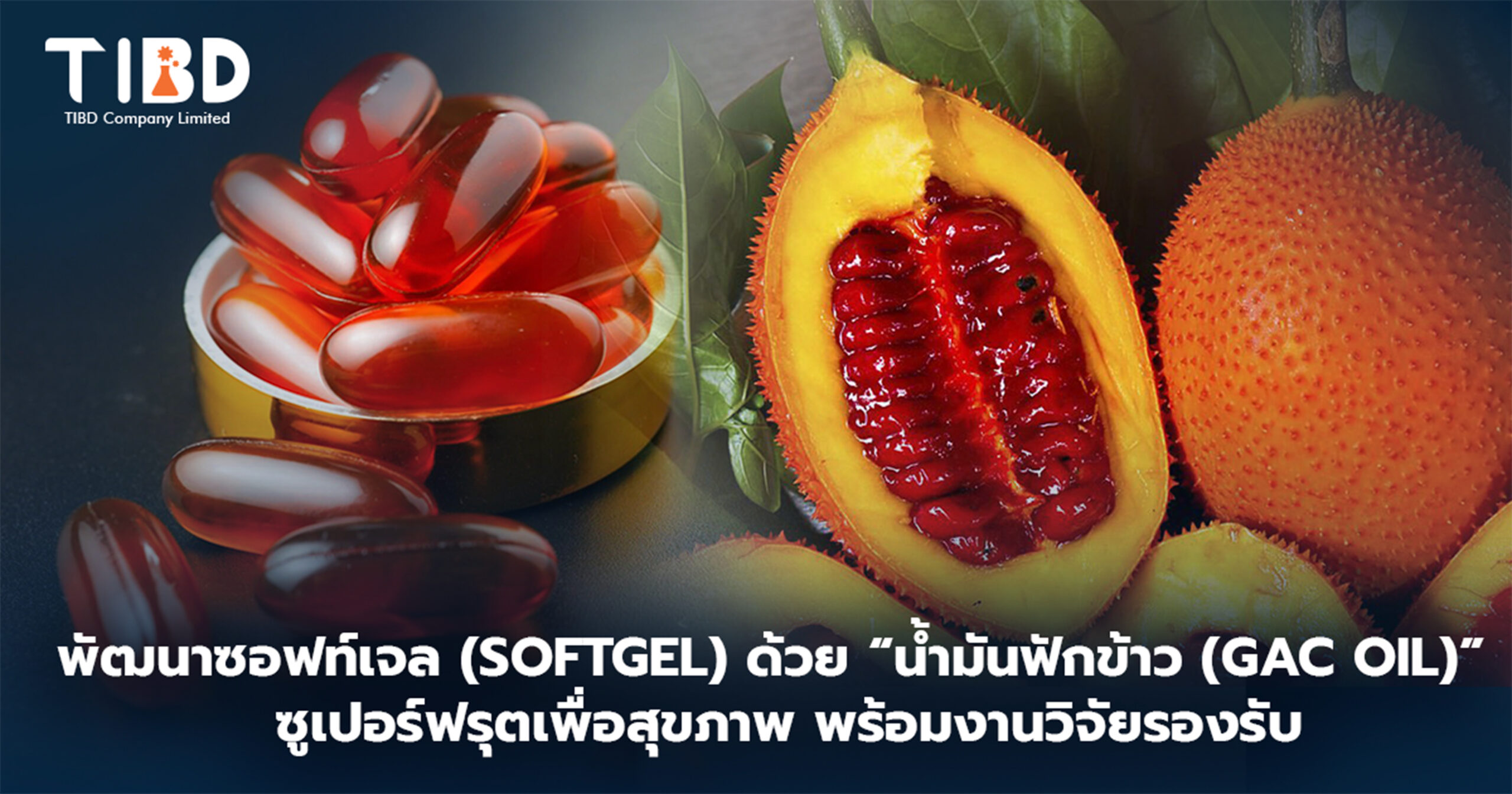
Are you looking to develop innovative dietary supplements or expand your existing brand with a standout product? Gac Oil (extracted from Momordica cochinchinensis Spreng.) is a promising natural ingredient worth your attention. Gac fruit is often called the “fruit from heaven” due to its remarkably high content of carotenoids—particularly lycopene and beta-carotene (Ishida et al., 2004; Phan-Thi & Waché, 2019)—making it an ideal choice for health-focused formulas. When formulated into Softgel supplements, Gac Oil retains its potent nutrients and offers consumers a convenient, easy-to-swallow format.
This article explores the health potential of Gac Oil, what the scientific evidence shows and how strong it is, key cautions, examples of successful Gac Oil products in global markets, and key considerations for developing Softgel supplements. Whether you’re a brand owner or an investor seeking OEM/ODM services for Softgel formulations, this comprehensive guide will give you insights into leveraging Gac Oil for market success.
What Is Gac Oil?
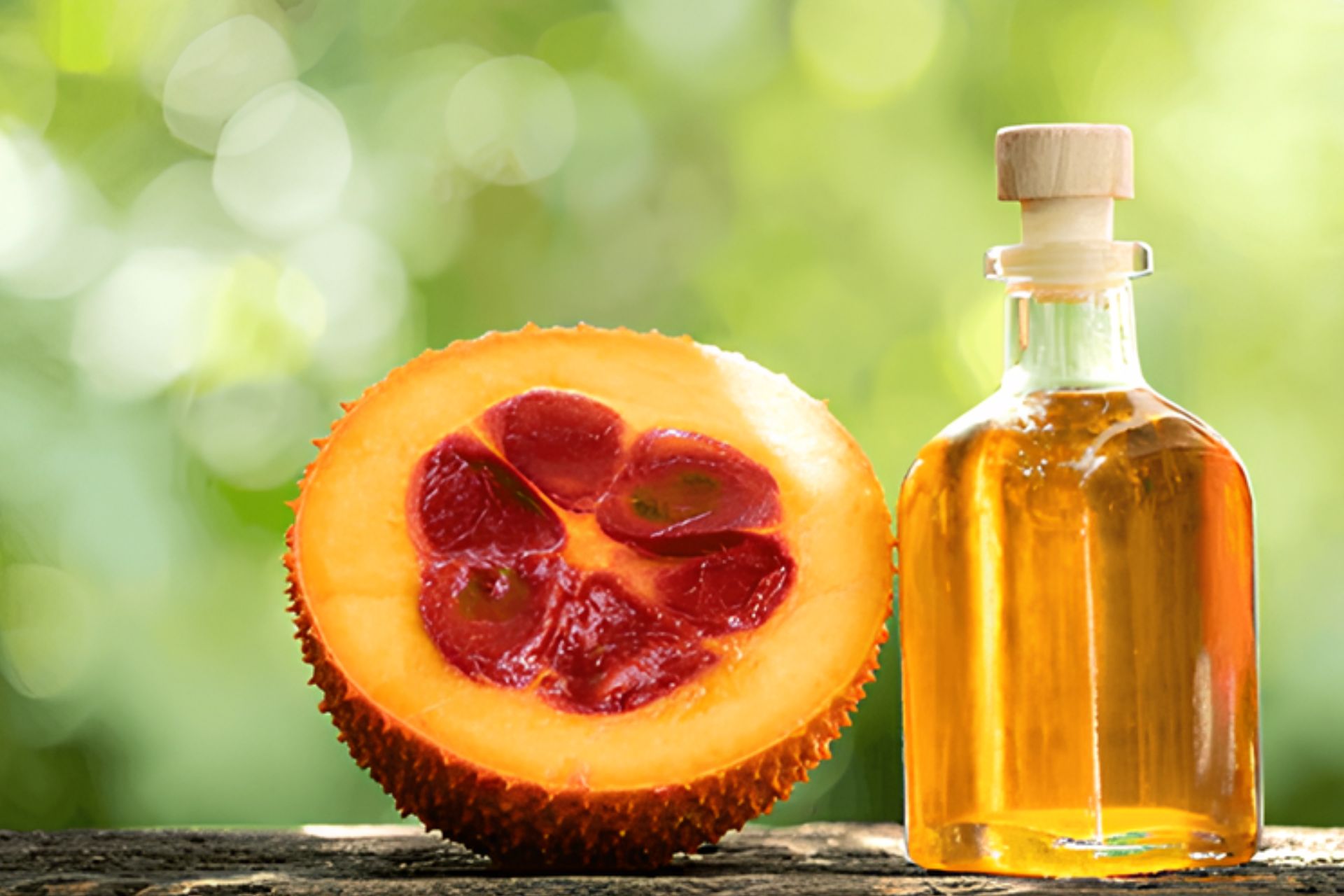
Gac fruit (Momordica cochinchinensis Spreng.) is a tropical fruit found mostly in Southeast Asia. The bright-red aril (the pulp surrounding the seeds) contains high levels of carotenoids, specifically lycopene and beta-carotene, at high levels. HPLC analysis found about 2,227 µg of total lycopene and about 718 µg of total beta-carotene per gram of fresh aril, which is very high compared with common fruits and vegetables (Ishida et al., 2004). A review dedicated to gac calls it the “fruit of heaven” while warning that scientific data should be separated from unverified marketing claims (Phan-Thi & Waché, 2019).
When the Gac aril is cold-pressed or pressed into oil, the resulting Gac Oil is a source of beta-carotene, vitamin E (α-tocopherol) and essential fatty acids. A study that produced Gac Oil with manual presses in Vietnam measured about 5,700 µg/mL of total carotene, about 2,710 µg/mL of beta-carotene, and 69% unsaturated fat (Vuong & King, 2003). The fat in the aril consists of about 32% oleic acid (Omega-9), 29% palmitic acid and 28% linoleic acid (Omega-6) (Ishida et al., 2004). These fats help the body absorb fat-soluble vitamins and compounds, and a simulated digestion study found that lycopene and beta-carotene from Gac aril were more bioaccessible than those from carrot and tomato (Müller-Maatsch et al., 2017).
Health Potential of Gac Oil: What the Research Shows
Nutritional and pharmacological studies show that gac is nutrient-dense and has several biological activities. Most of this work is still in cell and animal models and usually uses the aril or aril extracts rather than the oil itself; in humans, the clearest evidence is its role as a provitamin A source (Phan-Thi & Waché, 2019). Details by area:
Antioxidant Power
- Lycopene and beta-carotene are antioxidants. Laboratory tests found that gac extract has high antioxidant activity in DPPH, ABTS and FRAP assays (Leevutinun et al., 2015).
- In cultured skin cells, gac extract reduced free radicals and cell death triggered by PM10 fine dust (Lee et al., 2024).
Provitamin A Source and Vision
- Beta-carotene in Gac Oil serves as a provitamin A, which the body converts into vitamin A, a nutrient essential for vision (especially in low-light conditions) and for normal skin and mucous membranes.
- A controlled trial in 185 preschool children in rural Vietnam found that eating sticky rice cooked with gac aril (xôi gấc), providing about 3.5 mg of beta-carotene per serving, for 30 days raised blood beta-carotene more than in the control group, and blood retinol (vitamin A) was significantly higher than in the control group (Vuong et al., 2002). This shows that gac is a provitamin A source the body can actually use. Note that this study used the aril in food, not Gac Oil; for the oil itself, a study found that household use of Gac Oil increased daily beta-carotene intake (Vuong & King, 2003).
Metabolism and Blood Sugar: Findings in Mice
- In type 2 diabetic mice, eating carotenoid-rich Gac aril improved fasting blood glucose, glucose tolerance, insulin sensitivity and HbA1c. GLP-1 (glucagon-like peptide-1) levels rose about 2-fold, and ghrelin and adiponectin levels, which had fallen in the diabetic mice, were restored (Hsieh et al., 2024). The study used the aril, not Gac Oil, and the results still need to be confirmed in humans.
- In cultured intestinal cells, the researchers found that beta-carotene from gac stimulated GLP-1 release through sweet taste receptors, and the effect in mice was partly reduced when the GLP-1 receptor was absent, suggesting this mechanism partly explains the results (Hsieh et al., 2024).
Anti-inflammatory Activity and Cancer Cell Studies in the Laboratory
- In laboratory studies, Gac aril extract suppressed proliferation and induced apoptosis (programmed cell death) in colorectal cancer cells (Praphasawat et al., 2024), breast cancer cells (Petchsak & Sripanidkulchai, 2015) and melanoma cells (Wimalasiri et al., 2020). In mice, aril extract reduced inflammation markers in liver injured by acetaminophen (paracetamol) (Lonan et al., 2025).
- These are cell and animal findings; no human study has shown that eating gac or taking Gac Oil prevents or treats cancer (see the cautions section below).
Beauty and Skincare Benefits
- Randomized controlled trials in humans found that eating lycopene-rich tomato paste (about 16 mg lycopene per day) for 10–12 weeks reduced skin redness after UV exposure (Stahl et al., 2001; Rizwan et al., 2011). For gac specifically, there are skin-cell studies (Lee et al., 2024) and a topical cream with gac extract that increased skin hydration (Leevutinun et al., 2015). No study has yet measured skin effects from taking Gac Oil orally.
- No research has yet measured effects on skin, hair or nails from taking Gac Oil, which is an opportunity for brands to run their own volunteer studies (see point 4 below).
The Advantage of Gac Oil in Softgel Form
Among various dietary supplement formats, Softgel has emerged as a favorite for Gac Oil formulations. Here’s why:
- Nutrient Preservation: Softgels shield the oil from light, air, and moisture, mitigating oxidation and preserving carotenoid content (lycopene, beta-carotene).
- Easy Swallowing, No Strong Odor: Softgel capsules are typically small and tasteless, ideal for consumers who might be averse to the strong scent or taste of conventional oils.
- Accurate Dosing: The concentration of lycopene and beta-carotene per capsule can be precisely measured, ensuring consumers receive consistent and reliable doses.
- Flexible Formulation: Brands can incorporate additional nutrients—such as DHA (docosahexaenoic acid) or essential vitamins—to target various health niches beyond carotenoid-related benefits.
Examples of Gac Oil Products in the US and European Markets
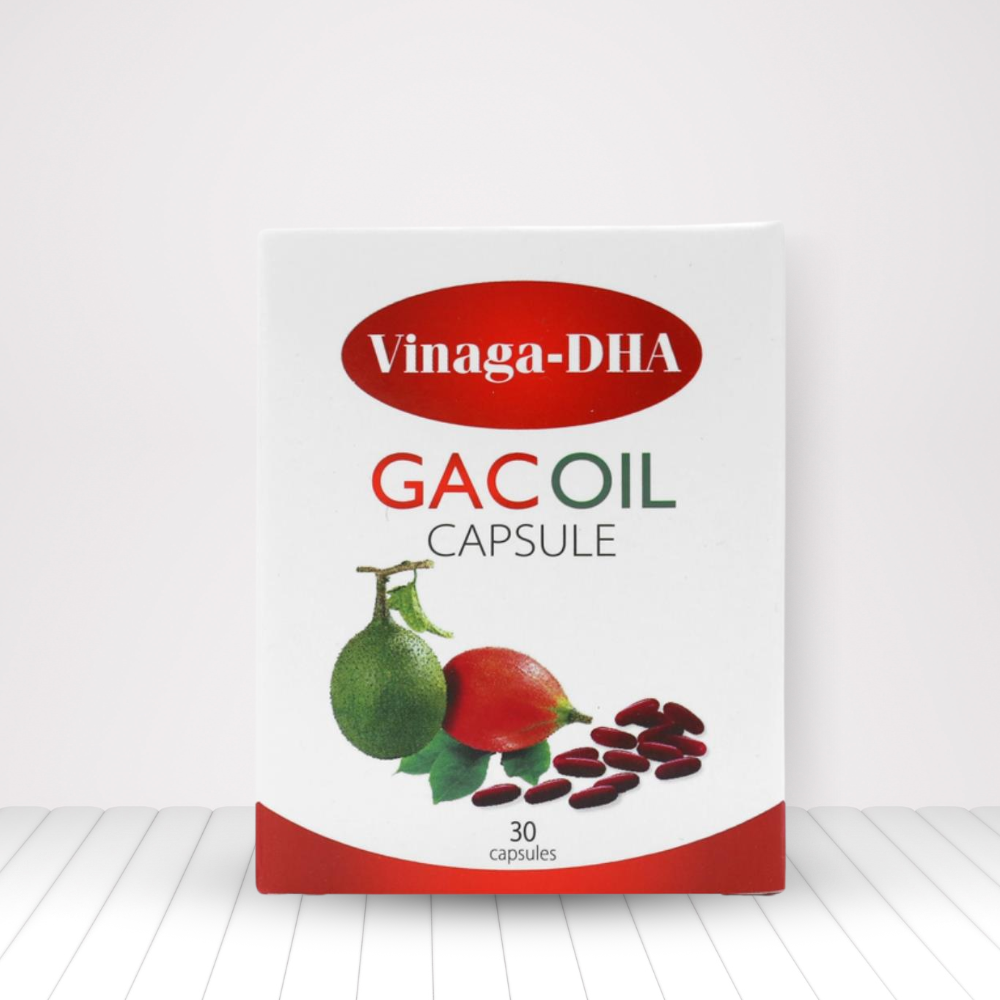
Vinaga Gac Oil Capsules (Vietnam, Global Distribution)
- High in provitamin A and vitamin E extracted from Gac Oil, often blended with small amounts of DHA.
- Widely recognized in Vietnam and sold online (Amazon, eBay) to customers worldwide.
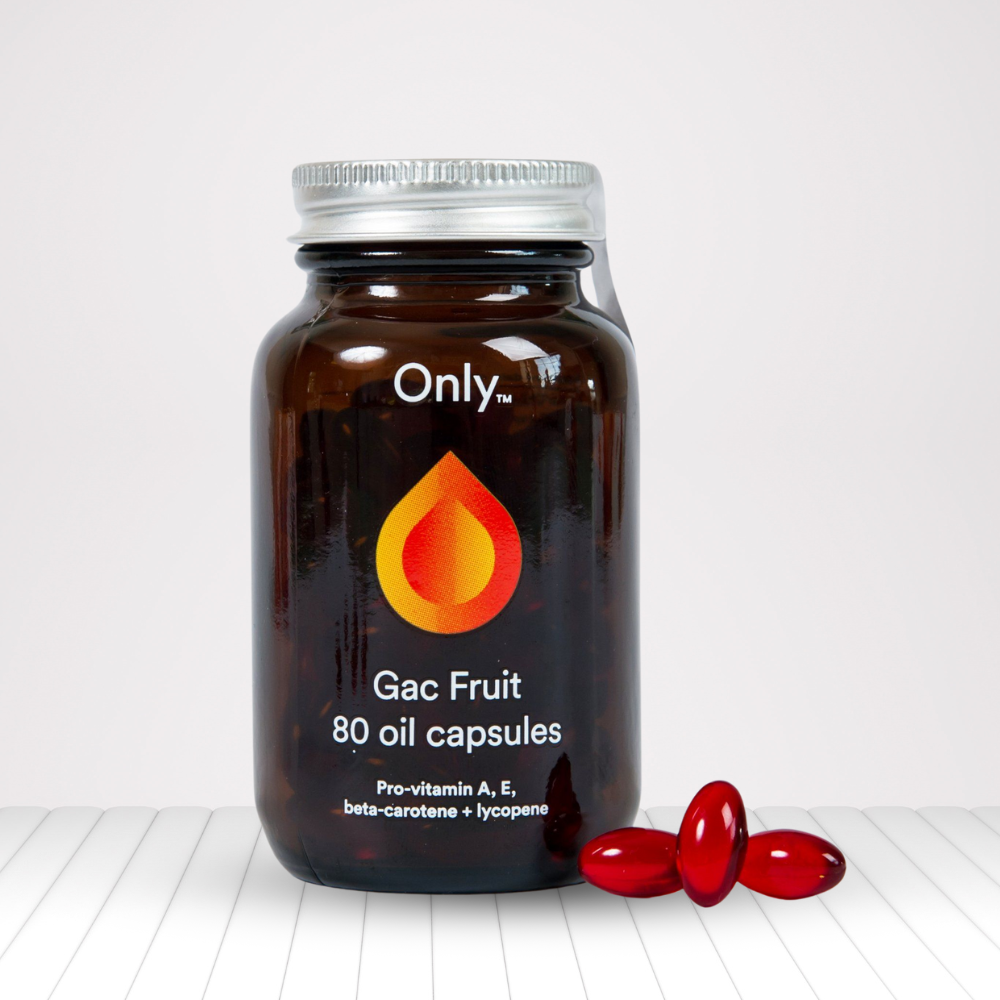
Only Gac Fruit Oil Capsules (UK)
- Premium, cold-pressed product with high lycopene and beta-carotene content.
- A UK brand that positions the product for skin and eye health (brand information).
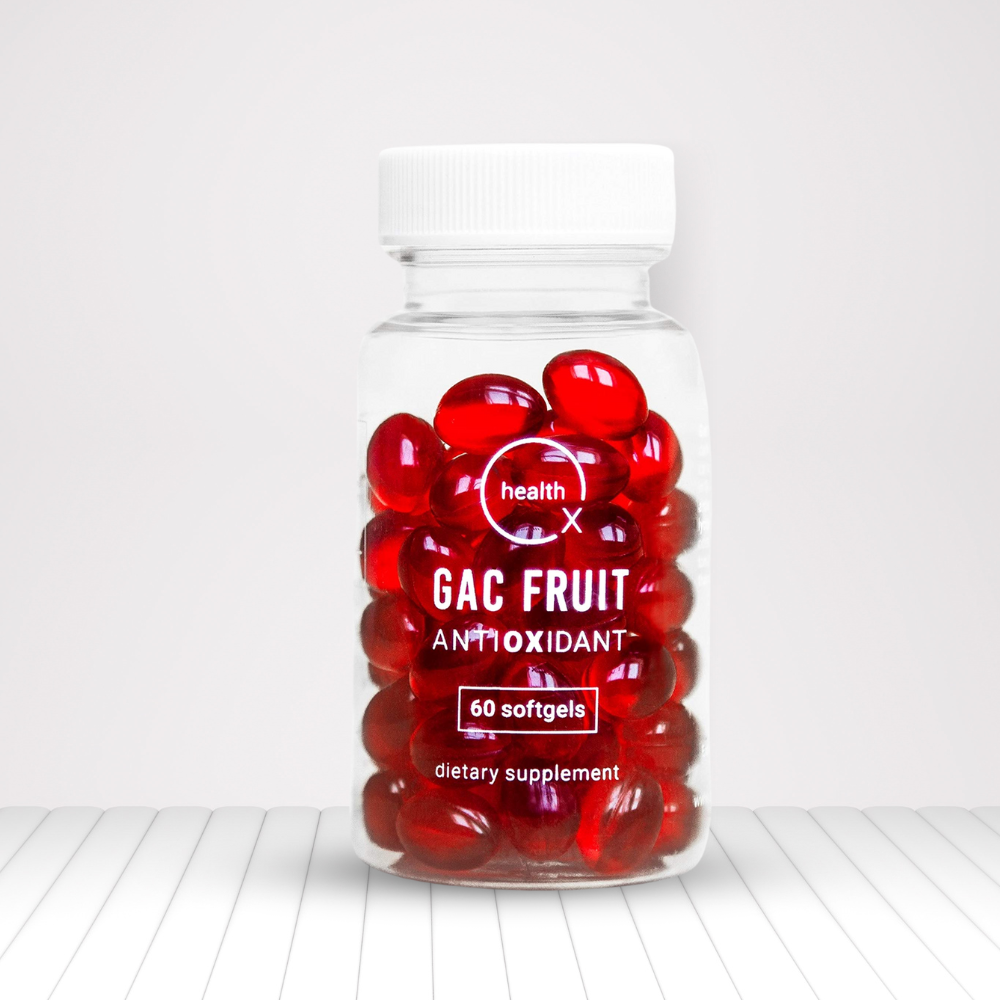
Ox Health Gac Superfruit Softgels (USA)
- Combines Gac Oil with DHA (Omega-3); the brand positions it for brain, heart, and immune support.
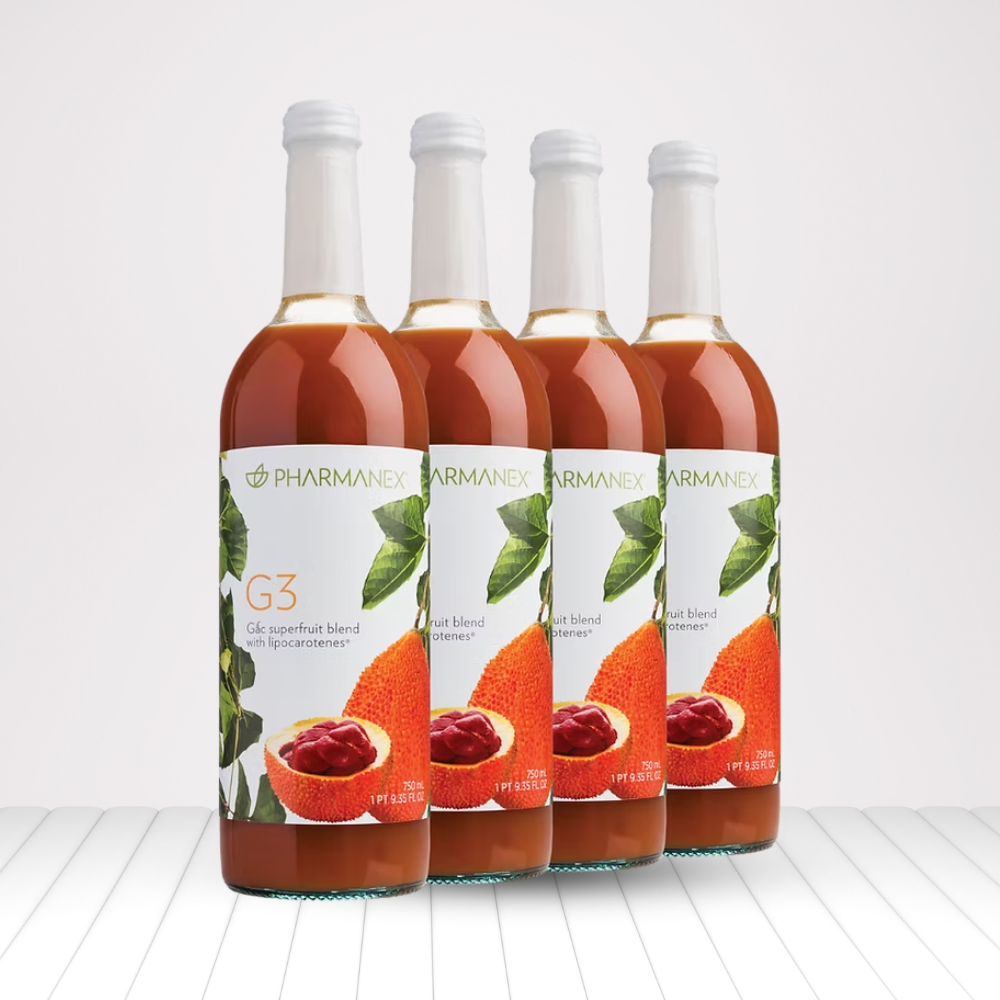
Pharmanex g3™ Gac Superfruit Blend (USA, Worldwide)
- A liquid supplement featuring Gac as the main ingredient, plus other antioxidant-rich fruits.
- The brand promotes a “lipocarotene” structure, in which carotenoids are said to bind to fatty acids to aid absorption (brand information). Published research found gac aril carotenoids highly bioaccessible in simulated digestion, which the researchers attributed to how carotenoids are stored in the fruit cells (Müller-Maatsch et al., 2017).
Developing Gac Oil Softgel Products: Key Considerations
1.) High-quality Raw Material Selection
- Choose cold-pressed Gac Oil from the aril (or equivalent extraction methods) that preserves crucial phytonutrients, and do not use the seeds (see the cautions section).
- Ensure strict checks for heavy metals, pesticide residues, and microbial contamination.
2.) Standardizing Carotenoid Content
- Utilize a qualified lab to quantify levels of lycopene, beta-carotene, and vitamin E (α-tocopherol) in each batch.
- Store and package in dark, airtight containers to minimize oxidation.
3.) Strategic Formulation
- For skin and eye health, consider adding vitamins A, C, E, or other antioxidants (e.g., astaxanthin, lutein).
- For metabolic support, incorporate chromium, vitamin D, or herbal extracts known to aid healthy glucose metabolism.
- For cognitive and cardiovascular benefits, combine Gac Oil with DHA or EPA (Omega-3) to appeal to a broader health market.
4.) Scientific Backing and Research
- Cite research at its true level of evidence, for example provitamin A supply (human study), skin effects of lycopene (human studies using other lycopene sources), and blood sugar effects (animal study).
- Additional studies involving human volunteers can greatly enhance product credibility.
5.) Regulatory Compliance
- In the European Union, consider the Novel Food Regulation if Gac Oil is not yet widely recognized, and check its status in the EU Novel Food catalogue before launch.
- In the United States, ensure compliance with FDA dietary supplement regulations, such as labeling, manufacturing standards, and a New Dietary Ingredient (NDI) notification where applicable.
Market Opportunities and Trends for Gac Oil Softgels
- Superfruit & Natural Supplements Trend: Health-conscious consumers prefer plant-based ingredients with research behind them. Gac Oil meets the need for natural, research-backed ingredients.
- Health & Beauty Market: Beta-carotene is a source of vitamin A, which is essential for vision, and human studies link lycopene with less sun-induced skin redness, so Gac Oil fits the growing inner-beauty trend.
- Differentiation Through Unique Selling Points: In a competitive supplement market, Gac stands out as a relatively new ingredient, giving brands a novel story to tell—especially for Western consumers.
- Online Distribution Channels: Platforms like Amazon and eBay open avenues for global sales, catering to the growing demand for exotic superfruits and nutritional solutions.
Cautions and Limits of the Evidence
- The best human evidence for gac is as a source of provitamin A (Vuong et al., 2002). Effects on blood sugar control, inflammation and cancer cells so far come from cell and animal studies, so Gac Oil should not be presented as preventing or treating any disease. A critical review also notes that micronutrient supplementation brings no clear benefit to healthy people, and that much unverified marketing information about gac is in circulation (Phan-Thi & Waché, 2019).
- High-dose beta-carotene: randomized controlled trials found that long-term high-dose beta-carotene supplementation in male smokers increased lung cancer incidence by about 18% (ATBC Study Group, 1994), and in smokers and asbestos-exposed workers given beta-carotene with vitamin A the relative risk of lung cancer was 1.28 (Omenn et al., 1996). A Cochrane meta-analysis found that antioxidant supplements did not reduce mortality, and beta-carotene was associated with a slight increase (Bjelakovic et al., 2012). Formulators should keep the daily beta-carotene dose at an appropriate level and include a warning for smokers on the label.
- Possible side effects: high carotenoid intake can cause yellow-orange skin discoloration and belching, which are non-serious and the skin color returns to normal after stopping (Bjelakovic et al., 2008).
- Plant part: use oil from the aril only. Gac seed extract has shown cardiotoxicity in an animal model (zebrafish embryos) (Du et al., 2021).
- Who should consult a doctor or pharmacist first: people who are pregnant or breastfeeding, people with a chronic condition, and anyone taking regular medication, including blood-sugar-lowering drugs.
- This article is technical information for product development, not medical advice.
Why Gac Oil Is Ideal for Softgel Supplements
- Rich in Antioxidants and Essential Vitamins
Gac Oil naturally packs lycopene, beta-carotene, vitamin E, and important fatty acids that work synergistically for overall health.
- Research Support at Clear Evidence Levels
Human studies confirm gac as a provitamin A source, animal studies show effects on blood sugar control, and cell studies show antioxidant and anticancer activity, giving brands an honest scientific foundation for product communication.
- Aligns with the Natural/Organic Movement
Consumers are increasingly drawn to natural and clean-label products. Gac Oil’s plant-based, cold-pressed credentials perfectly match these preferences.
- Differentiation in a Crowded Market
Gac Oil is still novel in many regions. Telling the story of how this Southeast Asian “fruit from heaven” is harvested and extracted can set your brand apart.
- Premium Image via Softgel Technology
Softgel manufacturing ensures quality, convenience, and a professional presentation that resonates with modern consumers.
Develop Your Softgel Brand with Gac Oil
Ready to create Softgel products featuring Gac Oil, whether a provitamin A and carotenoid formula, an inner-beauty formula, or a formula for the metabolic health segment? Our R&D team offers OEM/ODM solutions to customize your formula and conduct efficacy testing—helping you stand out with a credible, science-driven product.
Contact us today to explore how this superfruit can elevate your brand and thrive in the global supplement market! Click
References
- Vuong, L. T., Dueker, S. R., & Murphy, S. P. (2002). Plasma beta-carotene and retinol concentrations of children increase after a 30-d supplementation with the fruit Momordica cochinchinensis (gac). The American Journal of Clinical Nutrition, 75(5), 872–879. doi:10.1093/ajcn/75.5.872
- Vuong, L. T., & King, J. C. (2003). A method of preserving and testing the acceptability of gac fruit oil, a good source of beta-carotene and essential fatty acids. Food and Nutrition Bulletin, 24(2), 224–230. doi:10.1177/156482650302400209
- Ishida, B. K., Turner, C., Chapman, M. H., & McKeon, T. A. (2004). Fatty acid and carotenoid composition of gac (Momordica cochinchinensis Spreng) fruit. Journal of Agricultural and Food Chemistry, 52(2), 274–279. doi:10.1021/jf030616i
- Müller-Maatsch, J., Sprenger, J., Hempel, J., Kreiser, F., Carle, R., & Schweiggert, R. M. (2017). Carotenoids from gac fruit aril (Momordica cochinchinensis (Lour.) Spreng.) are more bioaccessible than those from carrot root and tomato fruit. Food Research International, 99(Pt 2), 928–935. doi:10.1016/j.foodres.2016.10.053
- Phan-Thi, H., & Waché, Y. (2019). Behind the myth of the fruit of heaven, a critical review on gac (Momordica cochinchinensis Spreng.) contribution to nutrition. Current Medicinal Chemistry, 26(24), 4585–4605. doi:10.2174/0929867326666190705154723
- Hsieh, Y. Y., Hou, W. C., Hsu, S. J., et al. (2024). Consumption of carotenoid-rich Momordica cochinchinensis (Gac) aril improves glycemic control in type 2 diabetic mice partially through taste receptor type 1 mediated glucagon-like peptide 1 secretion. Food & Function, 15(23), 11415–11431. doi:10.1039/d4fo04316b
- Praphasawat, R., Singsai, K., Muenkaew, P., et al. (2024). Momordica cochinchinensis (Gac) aril suppresses proliferation and induces apoptosis of colorectal cancer cells. Asian Pacific Journal of Cancer Prevention, 25(5), 1579–1587. doi:10.31557/APJCP.2024.25.5.1579
- Petchsak, P., & Sripanidkulchai, B. (2015). Momordica cochinchinensis aril extract induced apoptosis in human MCF-7 breast cancer cells. Asian Pacific Journal of Cancer Prevention, 16(13), 5507–5513. doi:10.7314/apjcp.2015.16.13.5507
- Wimalasiri, D., Dekiwadia, C., Fong, S. Y., Piva, T. J., & Huynh, T. (2020). Anticancer activity of Momordica cochinchinensis (red gac) aril and the impact of varietal diversity. BMC Complementary Medicine and Therapies, 20(1), 365. doi:10.1186/s12906-020-03122-z
- Lonan, P., Ariyabukalakorn, V., Yoysungnoen, B., et al. (2025). Hepatoprotective effects of Gac (Momordica cochinchinensis) aril extract in acetaminophen-induced liver injury: modulation of oxidative stress, inflammation, and glucose metabolism. Journal of Experimental Pharmacology, 17, 527–543. doi:10.2147/JEP.S517411
- Lee, S. H., Kim, E. J., Ju, S. Y., Li, Y., & Lee, S. J. (2024). Momordica cochinchinensis extract alleviates oxidative stress and skin damage caused by fine particulate matter. Tissue & Cell, 90, 102496. doi:10.1016/j.tice.2024.102496
- Leevutinun, P., Krisadaphong, P., & Petsom, A. (2015). Clinical evaluation of Gac extract (Momordica cochinchinensis) in an antiwrinkle cream formulation. Journal of Cosmetic Science, 66(3), 175–187. PMID 26454905
- Stahl, W., Heinrich, U., Wiseman, S., Eichler, O., Sies, H., & Tronnier, H. (2001). Dietary tomato paste protects against ultraviolet light-induced erythema in humans. The Journal of Nutrition, 131(5), 1449–1451. doi:10.1093/jn/131.5.1449
- Rizwan, M., Rodriguez-Blanco, I., Harbottle, A., Birch-Machin, M. A., Watson, R. E. B., & Rhodes, L. E. (2011). Tomato paste rich in lycopene protects against cutaneous photodamage in humans in vivo: a randomized controlled trial. The British Journal of Dermatology, 164(1), 154–162. doi:10.1111/j.1365-2133.2010.10057.x
- The Alpha-Tocopherol, Beta Carotene Cancer Prevention Study Group. (1994). The effect of vitamin E and beta carotene on the incidence of lung cancer and other cancers in male smokers. The New England Journal of Medicine, 330(15), 1029–1035. doi:10.1056/NEJM199404143301501
- Omenn, G. S., Goodman, G. E., Thornquist, M. D., et al. (1996). Effects of a combination of beta carotene and vitamin A on lung cancer and cardiovascular disease. The New England Journal of Medicine, 334(18), 1150–1155. doi:10.1056/NEJM199605023341802
- Bjelakovic, G., Nikolova, D., Simonetti, R. G., & Gluud, C. (2008). Antioxidant supplements for preventing gastrointestinal cancers. Cochrane Database of Systematic Reviews, (3), CD004183. doi:10.1002/14651858.CD004183.pub3
- Bjelakovic, G., Nikolova, D., Gluud, L. L., Simonetti, R. G., & Gluud, C. (2012). Antioxidant supplements for prevention of mortality in healthy participants and patients with various diseases. Cochrane Database of Systematic Reviews, (3), CD007176. doi:10.1002/14651858.CD007176.pub2
- Du, Z. C., Xia, Z. S., Huang, Y. F., et al. (2021). Cardiotoxicity induced by Cochinchina momordica seed extract in zebrafish. Journal of Applied Toxicology, 41(8), 1222–1231. doi:10.1002/jat.4108